


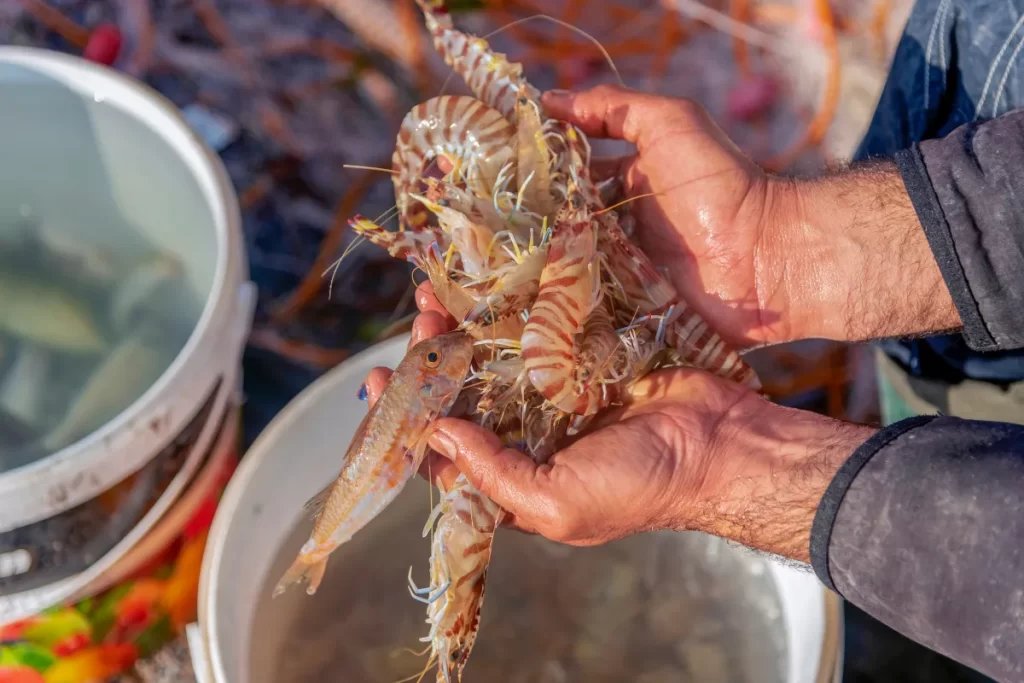
If you spend enough time on the water around Vancouver, you’ll eventually hear someone talking about “dropping the traps.” Prawning is a favourite West Coast boating tradition, and for good reason. Fresh spot prawns are one of the tastiest catches you can bring home from a day on the salt chuck. For Vancouver boaters, the appeal is more than the catch. It’s getting out early, reading the sounder, setting your traps on a promising ledge, and enjoying a day on the water with friends or family. If you’re planning to chase spot prawns Vancouver BC style, knowing where to go, when to go and what to bring can make all the difference.
Where are the Best Prawning Spots Near Vancouver
There’s no single secret fishing hole, but several areas around the Lower Mainland and Sunshine Coast are well known among recreational prawners.
Howe Sound is one of the most popular destinations for Vancouver-area boaters. Its deep channels, steep underwater structure and proximity to Vancouver make it a practical choice for a day trip. Depending on local openings and closures, areas around Bowen Island, Gambier Island and the Squamish side of Howe Sound can be worth exploring.
Indian Arm is another favourite for boaters leaving the Vancouver area. The arm’s steep shoreline and deep water provide the type of habitat that prawns favour. It’s also a scenic run, making the trip worthwhile even when the traps don’t come up as heavy as hoped.
Further west, boaters with the range and conditions to make the run can explore areas around the Sunshine Coast and Gulf Islands. Experienced prawners often look for steep contours, muddy or mixed bottom and changes in depth rather than simply dropping traps at random. This makes a good chartplotter and sonar your best friends. Look for underwater shelves, drop-offs and contour changes, then mark productive areas for future trips. And remember: a spot that produces one day may be quiet the next. Tides, depth, bait and local pressure all matter. Additionally, always confirm the specific Pacific Fishery Management Area and current DFO restrictions before setting gear.
Spot Prawn Season vs. Recreational Season
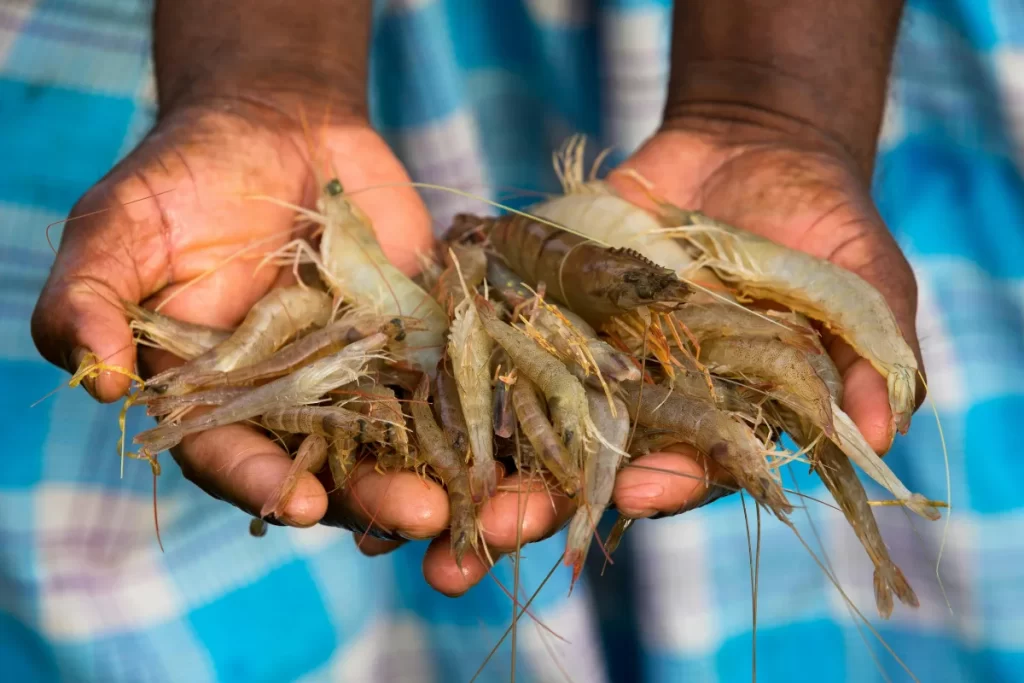
“Spot prawn season” can mean two different things to West Coast boaters.
The commercial spot prawn season is managed separately from recreational fishing. Recreational prawning does not simply follow one province-wide opening and closing date. Openings, closures and restrictions can vary by area and can change during the year. For example, DFO lists prawn and shrimp as open in much of tidal Area 28, including portions of Howe Sound and the Vancouver area, while specific subareas and locations remain closed. That means spot prawn season Vancouver boaters need to check the rules for their exact fishing area rather than relying on last year’s dates or what another boater says at the dock. DFO also uses seasonal “pulse” closures in selected areas to help protect spawning prawns. These restrictions can occur between Labour Day and spring, with dates determined through monitoring.
In short: don’t assume that because the prawns are running, your favourite spot is open. Check first.
BC Prawning Rules, Licences and Closures
Before you head out for BC spot prawns, you’ll need a valid tidal waters sport fishing licence. DFO requires recreational harvesters to check the regulations, openings, closures and restrictions for the area they plan to fish.
Some key rules include:
- The recreational daily limit is 125 prawns.
- You cannot retain prawns carrying eggs under the tail.
- Egg-bearing females must be returned to the water immediately and handled as gently as possible.
- A maximum of four prawn traps, ring nets or a combination is permitted per fisher.
- Trap lines and floats must meet specific requirements.
- Certain marine protected areas, glass sponge reef areas and other locations are permanently or seasonally closed.
Closures can change, so checking DFO’s current regulations immediately before leaving the dock should be part of your pre-trip routine. In 2026, DFO has also issued temporary and seasonal closures in specific coastal subareas, demonstrating why checking the current notice matters.
What Prawning Gear and Equipment You Need
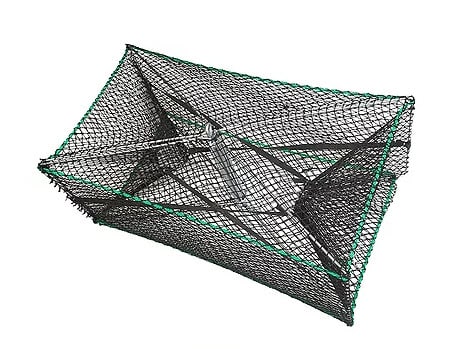
Successful prawning starts with the right setup. Your basic kit should include properly marked prawn traps, sinking line, approved floats, bait jars or bait bags, and a way to retrieve and store your catch.
Bait: Commercial prawn bait, fish scraps or other legal bait options can work. The goal is to create a scent trail that gets prawns interested and keeps them working around the trap.
Traps: Use purpose-built prawn traps and make sure your setup complies with current regulations. Check your lines and floats before every trip.
Sonar: A quality sounder is invaluable. You’re not necessarily looking for prawns on the screen; you’re looking for bottom contours, depth changes and structure that give you a reason to try a particular location.
GPS/chartplotter: Mark productive sets, but also pay attention to your exact position. Knowing where you are relative to closed areas and navigational hazards is critical.
Cooler: Bring a properly sized cooler with plenty of ice. Fresh prawns are a premium catch, and keeping them cold from the moment they come aboard helps preserve quality.
Don’t forget gloves, a knife, spare line, a measuring device if required for your gear, a bucket, and basic boat-safety equipment. And on the West Coast, always check the weather, tide and current before heading out.
Why Tri-Cities Boaters Gear Up at Poco Marine Before They Launch
For boaters in Port Coquitlam, Coquitlam, Port Moody and the wider Tri-Cities area, getting ready for a prawning trip doesn’t have to mean crossing the Lower Mainland for marine supplies.
Poco Marine is a locally owned marine destination serving boaters from the Tri-Cities, the valley, and other parts of Greater Vancouver. Its inventory includes marine equipment, parts and boating brands, along with in-house service, rigging, electrical work and mechanical support. That local knowledge matters when you’re preparing for a day of prawning. Whether you need to replace a component, sort out your boat’s electrical setup, get your rigging dialed in or pick up marine gear before launch day, having a knowledgeable marine shop nearby can save a lot of time. For Tri-Cities boaters, it’s a convenient stop before heading down the Fraser and out toward the saltwater fishing grounds.
FAQs
Where can you go prawning near Vancouver?
Popular Vancouver-area options include Howe Sound and Indian Arm, with additional opportunities around the Sunshine Coast and Gulf Islands. Always check the current DFO regulations for the specific subarea before dropping traps.
When is spot prawn season in BC?
There isn’t one fixed recreational date for all of B.C. Openings and closures vary by fishing area and can change through the season. Check DFO’s current recreational regulations and fishery notices before heading out.
Do you need a licence to prawn in BC?
Yes, recreational harvesters need a valid tidal waters sport fishing licence to harvest prawns and other shellfish in tidal waters.
What is the best depth to catch spot prawns?
Spot prawns are commonly associated with deeper water, often around steep contours and muddy or mixed bottoms. Rather than relying on one magic number, use your sonar and charts to identify promising bottom structure.
Can you keep egg-bearing (berried) prawns?
No, prawns carrying eggs under the tail must be released immediately and with the least possible harm.
Where to get spot prawns in Vancouver?
If you’re looking to catch them yourself, recreational opportunities exist in open coastal areas around Vancouver and beyond. If you’re looking to buy them, availability is highly seasonal, so check with local seafood suppliers during the commercial harvest.
What time of year is best for prawning?
Late spring and early summer are traditionally associated with the highly anticipated spot prawn harvest, but recreational openings vary by area. Always check current DFO rules rather than assuming a province-wide season.
How deep are spot prawns in BC?
Spot prawns are generally found in deeper coastal waters, particularly around steep slopes and changes in bottom depth. Local conditions can vary significantly, which is why a chartplotter and sonar are so useful.
Can you catch prawns during the day?
Yes, prawns can be caught during daylight hours. Many recreational prawners prefer early starts, but tide, location, depth, bait and local conditions can be more important than simply fishing at night.
Is a full moon good for prawning?
A full moon isn’t a guarantee of better prawning. Tides, current, depth, bottom structure and bait placement are generally more useful factors to consider when choosing when and where to set your traps.