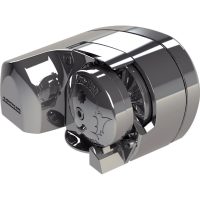


Anchor Windlasses for Boats
A dependable boat windlass is crucial for mastering BC’s deep coves and tricky inlets. All-chain windlass models are ideal for cruisers who handle larger anchors, offering exceptional durability and power. Streamlined anchor winches, designed for anglers, maximize efficiency and save space. Poco Marine provides a range of marine windlasses, ensuring you find the best fit for your vessel.
(more...) A reliable anchoring system is essential for safely navigating British Columbia’s deep-water coves and inlets. By automating the heavy lifting, a windlass prevents physical strain and accidental damage to the boat, significantly improving safety for single-handed boaters or small crews. Beyond reducing effort, this mechanical advantage provides the precision required to hold position over prime fishing grounds and the agility to re-anchor quickly when maneuvering within the crowded anchorages of the Gulf Islands. Choosing between vertical and horizontal windlasses primarily depends on the deck layout and the depth of the anchor locker. Vertical windlasses are designed with the motor below deck to save space and feature a 180-degree chain wrap ideal for all-chain rodes; however, this configuration demands a deep, dry anchor locker, a critical consideration for BC boaters to ensure adequate vertical ‘fall’ and prevent motor corrosion in damp climates. Conversely, horizontal windlasses mount the entire unit above deck, making them the superior choice for vessels with shallow lockers or restricted installation space, as they offer a straightforward setup that does not rely on deep below-deck housing. A clicking sound with no movement is the classic symptom of a failed or corroded solenoid (control box). This is very common in BC’s wet, salty environment. Check the solenoid and its connections. Check your anchor locker. You need at least 12-16 inches of “fall” (clear drop) from the windlass to the top of your stowed rode. If your locker is deep, a vertical windlass is preferred. If it’s shallow, a horizontal windlass is the correct choice. Your windlass’s “Maximum Pull” should be at least three times the total weight of your anchor plus your all-chain rode. This is critical for handling the load in deep water. Keep your anchor locker drained, wash the motor with fresh water, and apply a thick layer of corrosion inhibitor or a specialized wrap (like Denso tape) to seal it from saltwater. The gypsy is the notched wheel that is specifically designed to grip your anchor chain, while the capstan is a smooth, vertical drum (often located at the top) used for handling rope lines, such as a mooring line or a rope-based secondary anchor rode. An all-chain rode is much more resistant to abrasion on these harsh bottoms than a rope/chain setup, it also delivers superior holding strength.Key Benefits for BC Boaters
Common Uses on the BC Coast
How To Choose Your Anchor Windlass?
Vertical vs. Horizontal
Key Considerations
FAQs
My windlass “clicks” but won’t retrieve. What’s wrong?
Do I need a vertical or horizontal windlass for my boat?
How do I size a windlass for anchoring in deep BC waters?
How do I protect my vertical windlass motor in my wet anchor locker?
What’s the difference between a gypsy and a capstan on a windlass?
Why do so many BC boaters prefer an all-chain rode?