


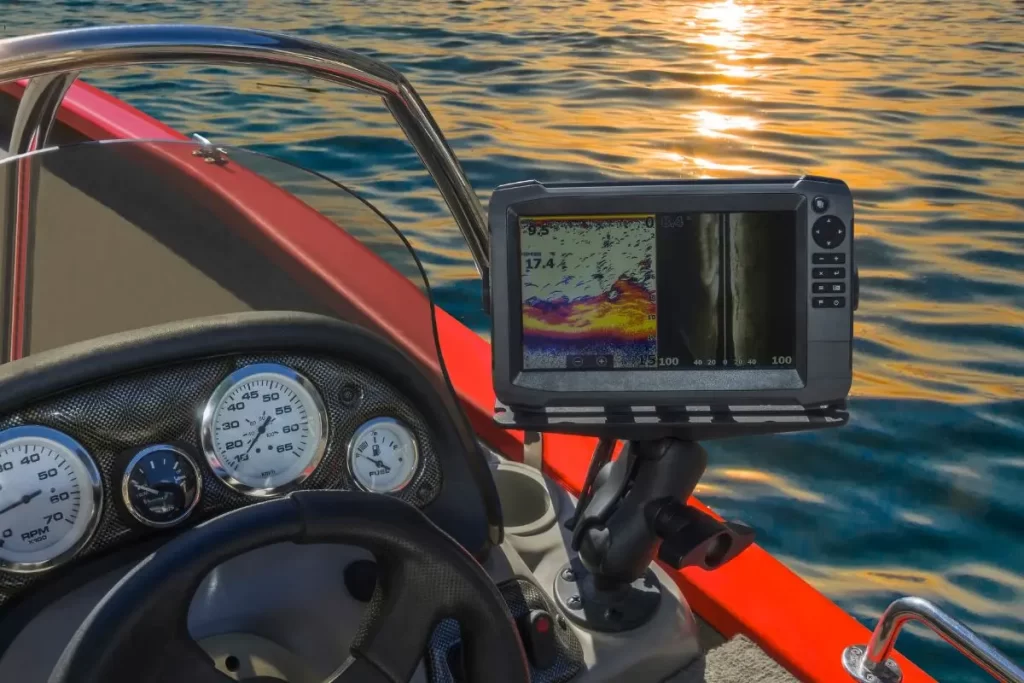
Choosing marine electronics in British Columbia is different from choosing a fish finder for a single type of water. This is because a weekend on a Fraser River skiff can look very different from a day trolling a Lower Mainland lake or running offshore along the coast. For those wondering how to choose a fish finder, start with where and how you actually boat. The right unit should help you read depth, identify structure, find fish, track your boat and, ideally, make your time on the water more productive and safer.
Why Generic Fish Finder Advice Doesn’t Work on BC Water
A lot of fish finder advice assumes you’re fishing in one consistent environment. BC anglers rarely have that luxury. With waters ranging from shallow, weedy lakes and reservoirs to deep mountain lakes, fast-moving rivers and saltwater with changing tides, currents and bottom contours. A unit that works beautifully for a lake fisherman may not be the best choice for someone trolling the Fraser or heading out for a saltwater run.
The other issue is terminology. “Sonar,” “CHIRP,” “Down Imaging,” “Side Imaging,” and “forward-facing sonar” all describe different ways of looking at the water. Understanding the types of fish finders and what each technology actually does is more useful than simply buying the biggest screen.
The Types of Fish Finder Technology
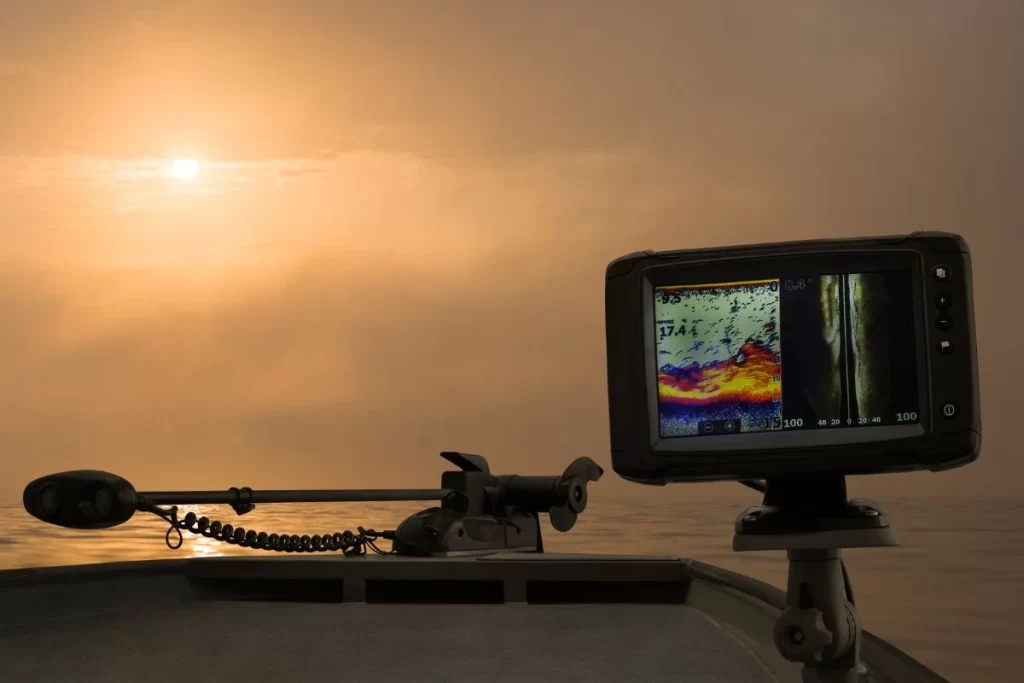
Traditional 2D sonar is the foundation. The transducer sends sound pulses downward and displays the returning echoes as depth, bottom and fish targets. Modern CHIRP sonar improves target separation by transmitting across a range of frequencies, making it particularly useful when you’re trying to distinguish fish from structure or other returns.
- Down Imaging provides a detailed view directly below the boat. It is excellent for identifying rocks, weeds, drop-offs, submerged timber and other structures.
- Side Imaging scans outward to both sides of the boat. Instead of only seeing what’s underneath your hull, you can cover a much wider area and spot structure or fish-holding features you might otherwise pass over.
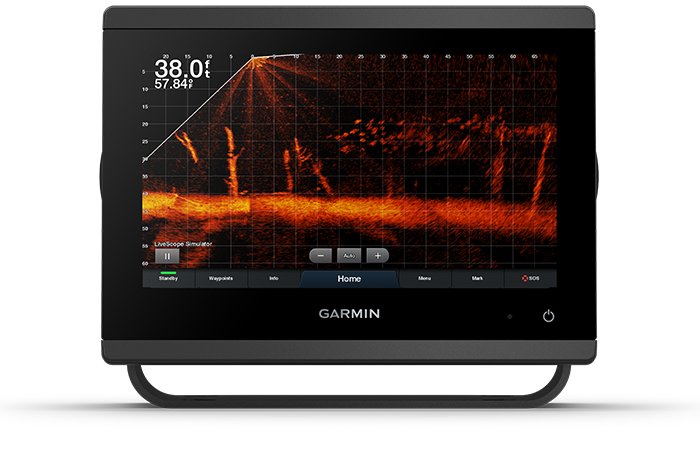
- Forward-facing sonar looks ahead of the boat in real time, allowing anglers to watch fish, structure and even their lure in compatible systems. It’s powerful technology, but it isn’t essential for every BC angler.
For many boaters, the sweet spot is a combination of traditional CHIRP sonar, GPS/chartplotting and either Down or Side Imaging.
Matching Your Fish Finder to BC’s Mixed Waters
Freshwater Lakes and Pitt Lake’s Tidal Quirk
If you primarily need a fish finder for lakes, prioritize accurate depth readings, good mapping, CHIRP sonar and useful imaging. For species such as kokanee, trout and bass, depending on the lake, being able to identify depth changes, points, weed lines, and submerged structure can be more valuable than having every premium sonar feature available. Pitt Lake deserves special attention. Although it is commonly treated as a freshwater destination, it is a tidal lake, so water levels and conditions can behave differently from a typical inland lake. That makes dependable depth information, charts and situational awareness especially useful. That said, for a lake boat that occasionally ventures into different environments, a mid-sized multifunction display with GPS, mapping and CHIRP is often a better investment than paying heavily for advanced sonar you rarely use.
Tidal Fraser River Trolling
The Fraser presents a completely different challenge. Current, changing depth, bars and channels all matter when you’re working a trolling program. A good fish finder can help you understand the bottom while you work a productive depth, but remember that a sonar screen isn’t a fish-catching machine. On moving water, reading the relationship between depth, current, and your boat’s track is just as important as identifying individual fish marks.
If you’re running the tidal portion of the Fraser, also pay attention to the current regulations and boundaries. Fisheries and Oceans Canada identifies the CPR Bridge at Mission as the boundary between tidal and non-tidal Fraser River waters for Area 29, with different licensing and regulations applying on either side.
Saltwater Runs
For coastal BC boating, look beyond basic fish detection. GPS, chartplotting, depth, bottom tracking and a readable display become increasingly important as conditions change. Whether you’re running out of the Fraser mouth, exploring local inlets or trolling saltwater, choose a unit that integrates well with your other marine electronics. A larger display can also make split-screen views more practical, allowing you to watch sonar and navigation information at the same time.
How To Choose a Fish Finder
So, how to choose a fish finder without getting buried in specifications?
Start with five questions:
- Where do you fish most? Lakes, rivers, tidal water or offshore?
- How do you fish? Trolling, casting, jigging or a mix?
- How much screen space do you need? A compact skiff may suit a 5 to 7-inch display, while a larger boat can benefit from 9 inches or more.
- Do you need mapping? For BC’s varied waters, GPS and quality charts can be extremely valuable.
- Which sonar technology will you actually use? CHIRP is a strong all-around choice; Side Imaging is excellent for scouting structure; Down Imaging adds detail beneath the boat.
Don’t automatically assume the most expensive unit is the best unit. The best fish finder is the one that matches your boat, fishing style and waters.
Installing and Mounting Your Fish Finder Safely
Installation matters almost as much as the display itself. The transducer needs a clean, unobstructed view of the water. On many boats, a transom-mounted transducer is a straightforward option, while other hulls may call for through-hull or in-hull installation. As an added suggestion, avoid placing the transducer where turbulence, prop wash or bubbles will interfere with the sonar signal. Mount the display where you can read it without taking your attention away from operating the boat.
BC conditions also mean you should take wiring seriously. Use proper marine-grade connections, protect cables from chafe and keep connections dry. If you’re unsure about transducer placement or electrical work, professional installation can prevent expensive problems later.
Getting the Most From Your New Fish Finder
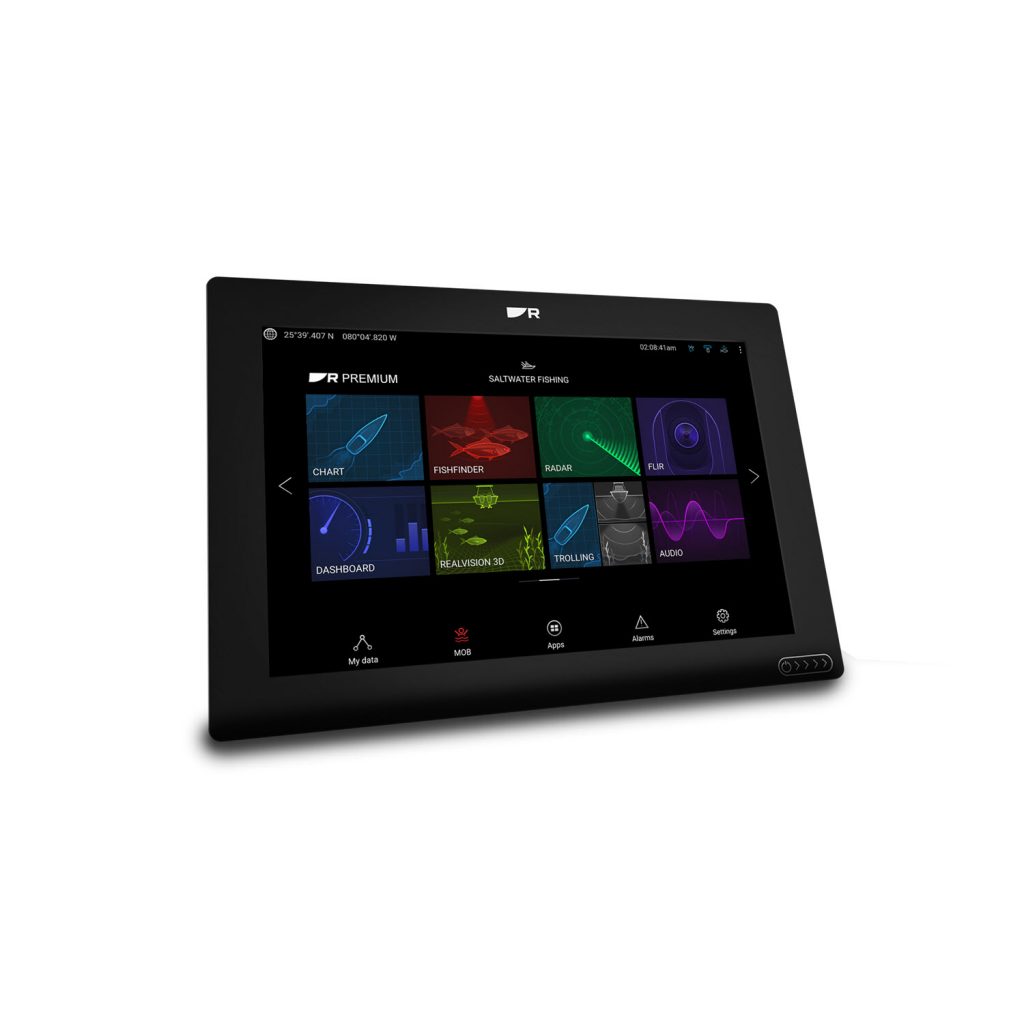
Don’t expect to understand every sonar screen on the first trip. Spend some time learning what a clean bottom looks like on your unit. Compare the traditional sonar view with Down Imaging or Side Imaging. Pay attention to depth changes, bottom transitions and structure before worrying about whether every mark is a fish. Additionally, if you have GPS mapping, save productive locations and review your tracks. Over time, your electronics become more than a fish finder. They become a record of how you fish your local waters. Moreover, a fish finder with speedometer functionality can also be surprisingly useful. Speed over ground helps you maintain a consistent trolling pace, compare passes and understand how your lure presentation changes with boat speed and current.
Ultimately, choosing among the types of fish finders comes down to matching technology to your water. Whether you’re working a lake, trolling the Fraser or making a saltwater run, the right electronics should help you understand what’s beneath the boat without making your helm unnecessarily complicated.
FAQs
Are fish finders worth it?
For most boat anglers, yes. They provide information you simply can’t get by looking at the surface: depth, bottom contours, structure and fish activity. The value increases when you’re regularly exploring unfamiliar water. The key is buying the right unit rather than the most expensive one.
What’s the difference between side imaging and down imaging?
Down Imaging looks directly beneath the boat, providing detailed information about what’s under your hull. Side Imaging scans to either side, allowing you to search a wider area for structure and fish-holding features. For finding new structures, Side Imaging can be particularly useful. For examining what’s directly below you, Down Imaging has the advantage.
Do I need forward-facing sonar to catch more fish?
No, forward-facing sonar can be extremely useful, especially for anglers who actively watch and target fish in real time, but traditional CHIRP sonar remains highly capable. For many BC recreational anglers, investing first in a quality CHIRP unit, GPS, and appropriate imaging will provide more practical value.
What size fish finder do I need for lake fishing?
For a fish finder for lakes, a 5 to 7-inch display can work well on smaller boats and simple setups. A 9-inch or larger screen becomes more attractive if you regularly use split-screen sonar, mapping and imaging. Remember to choose the largest screen that fits your helm comfortably and leaves room for the rest of your controls.
What is a fish finder “speedometer” used for?
A fish finder with speedometer functionality uses GPS to display your boat’s speed, usually as speed over ground. That’s particularly useful when trolling because you can repeat productive speeds and see how current affects your boat’s movement. For BC anglers who troll regularly, it is a small feature that can make a noticeable difference.