

Whether you’re navigating the Fraser River, fishing in Pitt Lake, or cruising Indian Arm, understanding the boating right-of-way rules in Canada is essential for safety and confidence on the water. In British Columbia’s busy and often challenging waterways, these rules are more than guidelines; they’re your best defence against collisions.
Boating Rules of the Road
One of the most dangerous misconceptions on the water is that one boat has the “right of way” over another. In reality, the Canadian Collision Regulations don’t use that term. Instead, they define two specific roles: the stand-on and the give-way vessel.
Stand On Vessel: Must maintain its course and speed so the other vessel can predict its actions.
Give Way Vessel: Must act early and clearly to avoid the other boat. Steer away, slow down, or stop as needed to prevent a collision.
Port vs. Starboard
Port: The left side of the boat when facing the bow (front). At night, the port side displays a Red navigation light.
Starboard: This is the right side of the boat when you are facing the bow. At night, the starboard side displays a Green navigation light.
Boat Right of Way Priority

Vessel Not Under Command (NUC)
At the very top of the hierarchy is a vessel not under command. This refers to a boat that cannot be maneuvered due to an exceptional circumstance, such as a mechanical breakdown, steering failure, or fire. Because they are unable to get out of the way, everyone else must avoid them. If you spot a boat drifting near the Port Mann bridge displaying two all-around red lights (at night) or two balls in a vertical line (during the day), it is NUC and requires a wide berth.
Vessel Restricted in Ability to Maneuver (RAM)
The second-highest priority belongs to vessels with restricted maneuvering ability. These vessels are limited by the nature of their work, not a defect. This category is critical for Fraser River boaters because it includes dredges, vessels servicing underwater cables, and most importantly, tugs with tows. A tug towing a log boom or barge cannot stop or turn quickly to avoid you. You are legally required to stay clear of them at all times.
Vessel Constrained by Draft
Next in line are vessels constrained by draft. These are typically large, power-driven vessels, and because of their depth relative to the water, they are severely restricted in their ability to deviate from their course. In our local waters, this applies to the deep-sea freighters navigating the dredged channels to the Surrey Docks. If they leave the channel, they will run aground. Small recreational boats must never impede their passage within these narrow channels.
Vessel Engaged in Fishing
Fourth in priority is a vessel engaged in fishing. It is vital to understand that this definition applies strictly to commercial vessels that fish with nets, lines, or trawls, which restrict their maneuverability. It does not apply to sport fishing boats trolling for salmon or anchored for sturgeon. If you are wondering how to pass a fishing boat, the rule is simple: if it is a commercial gillnetter with gear out, give it space. If it is a recreational boat, standard navigation rules apply.
Sailing Vessel
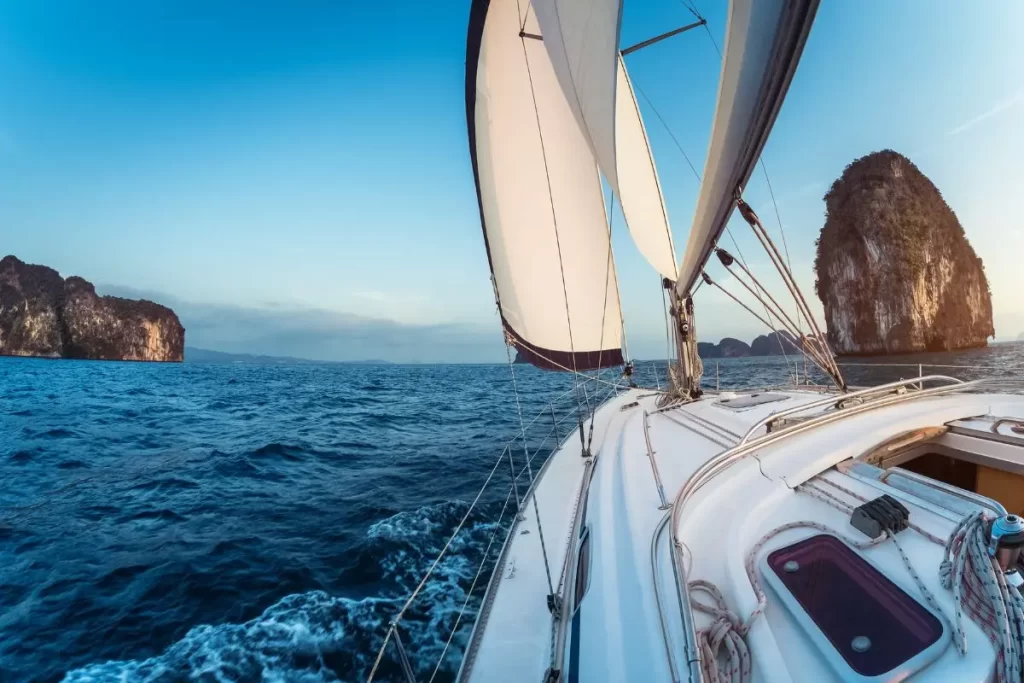
Sailing vessels generally have priority over power-driven vessels because they rely on the wind. However, this status is not absolute. If a sailboat starts its engine, it is legally considered a power-driven vessel and loses its preferential status. Additionally, if a sailboat is overtaking a powerboat, the sailboat becomes the give-way vessel and must keep clear.
Power Driven Vessel
Most recreational boats, runabouts, and sport-fishing vessels fall into the power-driven vessel category. You are near the bottom of the list, meaning you must give way to NUC, RAM, Constrained by Draft, Commercial Fishing, and Sailing vessels. When meeting another powerboat head-on, the rule is for both ships to alter course to starboard (right) and pass port-to-port.
Seaplanes
Finally, Seaplanes are generally required to keep well clear of all vessels. However, common sense dictates that a boat should never cross the path of a seaplane taking off or landing. While they are technically at the bottom of the hierarchy, the risk of collision is high, and prudence is required.
Commercial Boating Rules
It is essential to view the Fraser River as a busy working channel. When encountering a tug and barge, the larger vessel generally takes precedence over smaller boats, often overriding traditional maritime rules in practice.
- The Overtaking Rule: If you approach a tug from behind, you must keep your distance and pass only when safe. Steer clear of the tug’s wake and never go between the tug and its tow, as the tow line could be hidden just below the water.
- The Blind Spot: A tug pushing a barge has a massive blind spot forward of the bow. If you can’t see the captain’s windows, he can’t see you. This is what a give way vessel must do to avoid collision.
How to Be Safe with Local Hazards?
While we stock the essential Canadian Hydrographic Charts (specifically Chart 3062 for Pitt River and Pitt Lake), local knowledge is key to avoiding damage.
The “Deadhead” Threat
When on the Fraser, always scan for ‘deadheads,’ which are nearly invisible logs floating vertically under the water. Hitting one can seriously damage your boat. Constantly check the water ahead and, if possible, wear polarized sunglasses for better visibility.
The Pitt Lake Tide Trap
Pitt Lake is tidal, with water levels that can swing dramatically. Shallow mudflats guard the southern end. If you stray out of the dredged channel at high tide, you might cross safely, only to find yourself stranded on a mudflat when you try to return hours later.
The 1-10-1 Principle
In the Pacific Northwest, water is extremely cold, even in summer. Always wear protective gear before going on the water to prevent cold water shock, not just for compliance, but for your safety.
Dr. Gordon Giesbrecht’s 1-10-1 principle explains the risk:
- 1 Minute (Cold Shock): An involuntary gasp reflex when you hit the water. If your head is underwater, you drown instantly.
- 10 Minutes (Incapacitation): You lose the ability to use your hands and swim as blood shunts to your core.
- 1 Hour (Hypothermia): Unconsciousness sets in.
This is why we recommend Mustang Survival gear. Always put on a Mustang Sentinel Dry Suit or high-quality hydrostatic PFD before heading out; these are critical for staying alive in the first ten minutes after falling in.
Lights and Sound Compliance
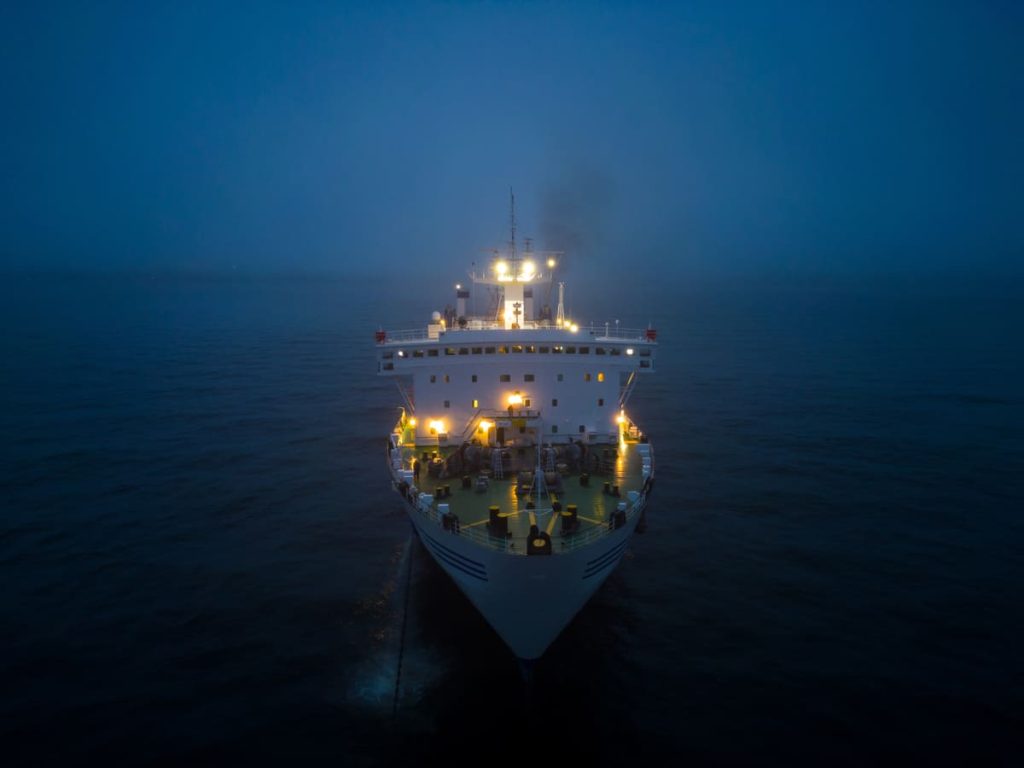
Are your navigation lights legal? Many cheap LEDs do not meet the required standards and can increase your liability in a nighttime collision. To ensure compliance, look for navigation lights that adhere to Transport Canada or ABYC standards, which mandate specific visibility ranges and color requirements to ensure safety on the water.
In addition to lights, sound signals are mandatory. When navigating a blind bend in the river, a proper horn blast (one prolonged blast) alerts oncoming traffic. This specific signal is widely recognized as a way to ensure your presence is known before entering areas with limited visibility, helping prevent collisions. We stock ABYC-compliant horns to ensure you are heard over the roar of a diesel engine.
River Etiquettes
Beyond regulations and safety, being a good neighbor means respecting how others use the river.
- Watch Your Wake: When passing bar fishermen on the Fraser, slow down or steer clear. Your wake can wash expensive gear into the river or swamp a beached boat.
- Anchoring: If you join a “hog line” of sturgeon boats, never anchor directly upstream of another vessel. If your anchor drags, you will drift right into them.
Skip the Bridge, Shop Local
You do not need to cross the Port Mann Bridge to find expert advice or professional-grade equipment. Pocomarine in Port Coquitlam offers resources such as NMEA 2000 connectors, Mustang dry suits, and current river condition tips.
Stay safe, be mindful of your wake, and see you on the water.
FAQs
Is there a speed limit on the Pitt River?
Yes, speed limits apply, especially at Grant Narrows (10 km/h) and near bridges. Watch for “No Wake” signs near marinas. Be aware that speed limits and rules can vary with the seasons or during specific events; always check for any temporary notices or special regulations before setting out.
Who has the right of way if I am going upstream and meeting a boat coming downstream?
On rivers, upstream vessels generally yield to those moving downstream, since downstream boats have less control.
Do I need a specific chart for Pitt Lake?
We highly recommend Chart 3062. Pitt Lake is tidal and features extensive shallow mudflats outside the dredged channel.
Does a sailboat always have the right of way over a powerboat?
No. Sailboats usually have priority over powerboats, but not when overtaking or when commercial vessels are restricted.
What should I do if I hear five short blasts from a tugboat?
Five short blasts are the “Danger Signal.” It means the tugboat captain does not understand your intentions or believes a collision is imminent. You must immediately check your surroundings, signal your intent, and take evasive action to clear the channel.
Who may depart from the navigation rules?
Whenever it is necessary to avoid immediate danger, otherwise, always yield to vessels less maneuverable than your own.
How should you pass a fishing boat?
Under maritime rules, a “vessel engaged in fishing” has priority only if using gear that restricts maneuverability (like nets or trawls). Recreational boats trolling or anchored do not qualify, so standard powerboat right-of-way rules apply.