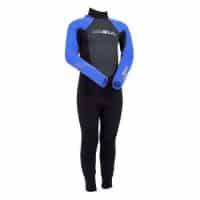

Fishing, Sailing, and Boating Apparel
From the relentless damp of a West Coast winter to the spray on a long run to the halibut grounds, staying warm, dry, and fearless is non-negotiable in British Columbia’s demanding conditions. Choose the right boating apparel as your first line of defence so you can stay out longer, operate more safely, and remain comfortable and protected. Visit Poco Marine to find tough, dependable fishing clothing and sailing gear from brands like Grundéns and Mustang Survival. They are proven to withstand the unique challenges of the BC coast.
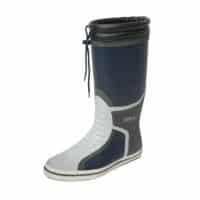
(more...) High-performance marine apparel is essential equipment. Our curated selection empowers you to master the BC coast: Our collection is tested and proven in the environments you go to: Select rugged, weather-specific apparel by tailoring your gear to local conditions. Choose PVC for complete protection or waterproof-breathable fabrics for lighter comfort. Select pieces rated for your specific waters, such as inshore, coastal, or offshore, and always layer with a moisture-wicking base, an insulating midlayer, and a weatherproof outer layer. Avoid cotton to stay dry, warm, and comfortable all day. The first decision is between time-tested durability and advanced performance. Marine apparel is rated for different conditions. Match the rating to your typical BC boating area. The key to staying comfortable year-round in BC is layering. Never wear cotton. Always rinse your gear with fresh water after use. Hang it to dry thoroughly in a well-ventilated area. Never store it wet. Salt attracts moisture and causes mildew. A freshwater rinse is critical. If you’re active on your boat, yes. The key is breathability. A non-breathable jacket traps sweat. This will make you cold and clammy inside. For real activity on the water, breathable gear is a worthwhile investment in comfort and safety. Fishing bibs are looser for casting. They often have tool pockets and are made from very durable materials. Sailing salopettes have an athletic cut. They include large reinforced panels on the seat and knees to handle deck abrasion. Good footwear has non-marking, razor-siped rubber soles. These provide grip on wet, slippery surfaces. Choose waterproof deck boots or quick-drying boat shoes for a reliable and comfortable option. They protect your feet and prevent scuffs on the boat’s finish. Safety and traction are top priorities. Yes, sun protection on the water is essential, even on cloudy days, due to the intense reflection of UV (ultraviolet) rays. Wear lightweight, long-sleeved shirts and hoodies with a high UPF (Ultraviolet Protection Factor) rating, indicating how well the clothing blocks UV rays.How Marine Apparel Can Help You On The Water?
Uses of Our Marine Style/Grade Apparel
How To Find the Right Fishing, Sailing, and Boating Apparel
Step 1: Choose Your Material
Step 2: Match the Gear to Your Waters
Step 3: Build Your Layering System
Key Features to Look For
Fishing, Sailing, and Boating Apparel FAQs
What is the best way to prevent mold and mildew in a damp climate?
Do I really need expensive GORE-TEX gear for boating around Vancouver?
What’s the difference between fishing bibs and sailing salopettes?
What kind of footwear is best for boating on wet decks?
Is sun-protective clothing necessary for boating in British Columbia?