If you spend time on the water around Vancouver, the right PFD is more than a box to check before you leave the dock. Whether you’re heading out for a day of cruising around Howe Sound, dropping traps in Burrard Inlet, paddling a local lake, or working on the water, your flotation device needs to match the activity. With different styles, buoyancy levels and Canadian requirements to consider, choosing the right one can be challenging. We’ve crafted a simple guide to explain what is a personal flotation device, how the newer PFD classifications work, and what to look for before you hit the water.
What is a Personal Flotation Device (PFD)?
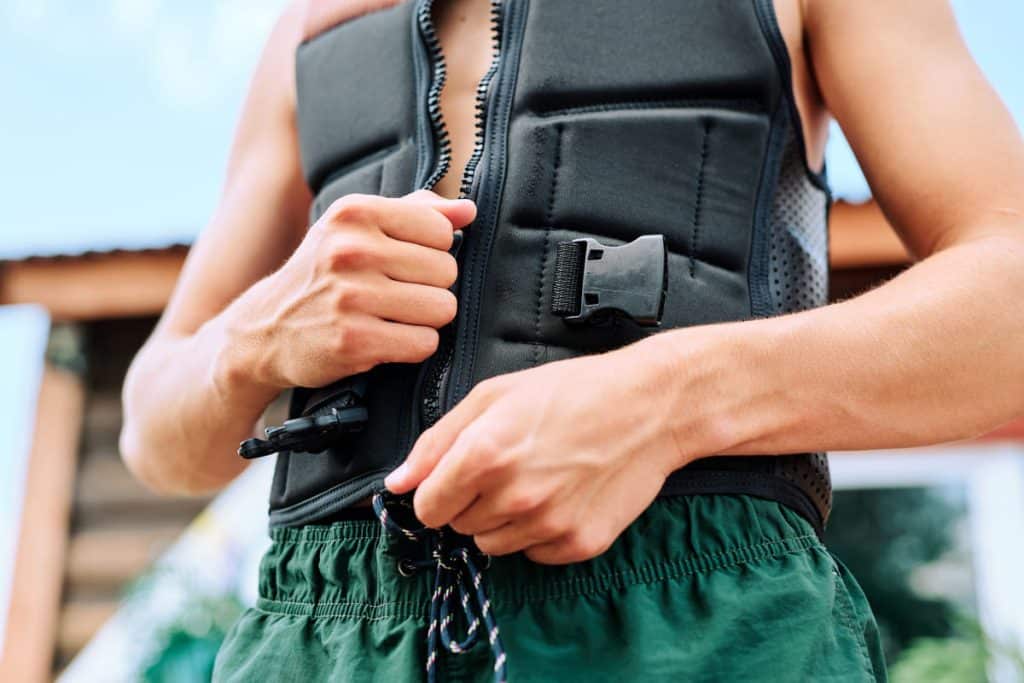
A personal flotation device is designed to help keep you afloat if you end up in the water. PFDs are generally lighter, less bulky and designed for longer wear over traditional lifejackets. They can also be made specifically for activities such as fishing, paddling or sailing. The truth is, Transport Canada requires an approved lifejacket or PFD of an appropriate size for each person on board a watercraft, including human-powered craft, so as much as they are life-saving, they are also a necessity.
What PFD Type Actually Means in Canada
If you’ve searched for “PFD type” information online, you’ve probably run into the old Type I, II, III, IV and V system. That terminology is primarily associated with the U.S. Coast Guard and is still common on American websites and older boating information.
Canada is moving toward a harmonized performance-level system based on ANSI/CAN/UL 12402 standards. You’ll increasingly see Level 50, 70, 100, 150 and 275 on newer flotation devices. Transport Canada now recognizes certain devices certified to these standards as substitutes for specified Canadian-approved flotation equipment, subject to their conditions of use. The numbers refer to performance and buoyancy categories rather than simply being a ranking from “good” to “best.” A Level 50, for example, is intended for different applications than a Level 150 or 275. Always check the device’s Canadian approval and label for the intended use.
Types of Flotation Devices

Think of the new levels as a better way to describe what a device is designed to do.
- Level 50: Lower-buoyancy buoyancy aid for specific recreational activities where swimming ability and conditions are appropriate.
- Level 70: A higher-performance buoyancy aid used for certain recreational applications.
- Level 100: A lifejacket-level performance category providing more flotation and turning capability than lower-level buoyancy aids.
- Level 150: Higher buoyancy intended for more demanding conditions.
- Level 275: The highest of these performance levels, designed for situations where substantial buoyancy is required.
The new system does not mean the old Canadian-approved lifejackets suddenly became unusable. Transport Canada has established specific substitutions and limitations, so look at the label rather than relying on the number alone.
Lifejacket vs. PFD
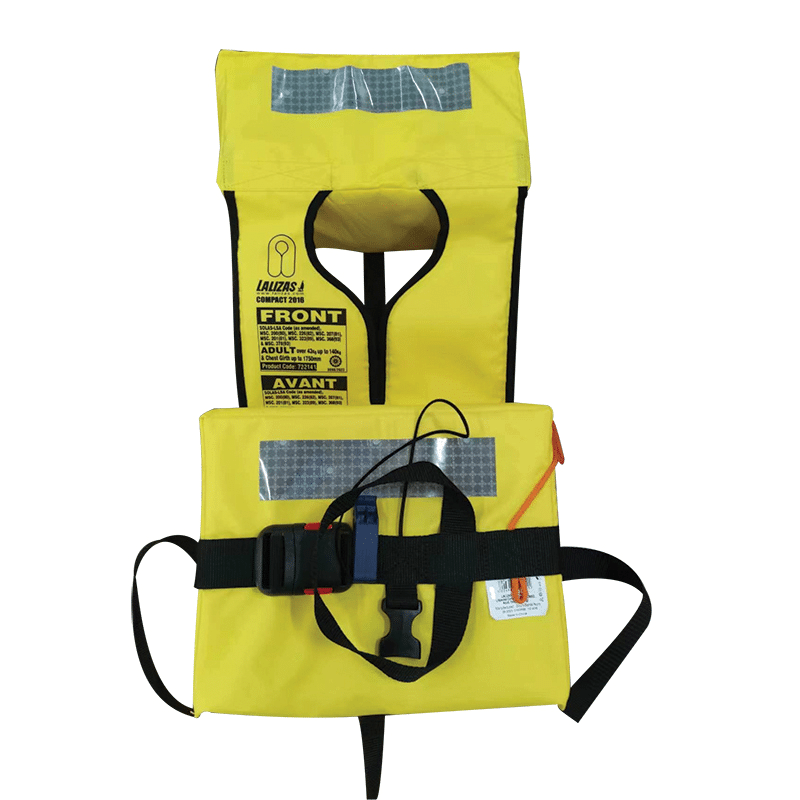
So, what’s the difference between a PFD and a lifejacket? In simple terms, a lifejacket generally provides more flotation and is designed with greater emphasis on turning an unconscious person face-up. A PFD is usually lighter and more comfortable for active, continuous wear but may provide less flotation and have limited turning ability. The distinction matters when you’re choosing gear for a trip through the Strait of Georgia versus an afternoon of paddle boarding on a calm lake.
How To Select the Right PFD Based on Your Activity
Powerboating and Cruising
For runabouts, fishing boats and cruisers, look for a comfortable device you’ll actually wear. If you’re operating at speed, a secure fit is especially important. Transport Canada recommends looking for three or more chest belts on PFDs when operating at high speeds.
For offshore or rougher conditions, consider a lifejacket or higher-performance device rather than choosing solely for comfort.
Fishing, Crabbing and Prawning
BC anglers spend plenty of time moving around a boat, leaning over the gunwale and handling gear. A comfortable fishing PFD with good arm mobility is a practical choice. Moreover, if you’re dropping crab traps in the Fraser River or working a prawn puller around the Gulf Islands, choose something you can wear all day without constantly taking it off.
Paddling, Kayak, Canoe, SUP
For kayaking, canoeing and stand-up paddleboarding, mobility is key. It’s best to consider a low-profile design that leaves your shoulders and arms free to easily paddle. However, don’t confuse a board leash with flotation. Transport Canada specifically states that a SUP leash is not an approved replacement for a lifejacket or PFD.
Commercial and Pro Operators
Commercial operators have additional requirements based on vessel type, operation and voyage. Don’t assume a recreational PFD is acceptable just because it has plenty of buoyancy. Transport Canada now permits certain PFDs to be used instead of required lifejackets on some small commercial vessels, but specific conditions apply, including approval, buoyancy, visibility, turning capability and wear requirements.
Why Cold Water Changes the Answer
BC water can be incredibly chilly, even on a beautiful summer day. Falling into cold, glacier-fed water can quickly affect your breathing, strength and ability to self-rescue. For trips where cold-water immersion is a realistic possibility, consider a device that provides stronger flotation and better support rather than choosing the lightest option available. Always be mindful that a PFD helps you float and it doesn’t eliminate the risks of cold-water immersion.
How To Get the Right Size and Fit
A PFD only works properly if it fits. Start with the manufacturer’s weight and chest-size recommendations, then put it on and tighten every adjustment. It should feel snug without restricting your breathing, raise your arms and have someone pull upward on the shoulders of the PFD. If it rides up significantly toward your face, it needs adjustment or a different size. Additionally, fit is especially important for children. Don’t buy a PFD that a child will grow into, as Transport Canada warns that an oversized child flotation device can be very dangerous.
How To Care, Store and When to Replace It
The best way to prepare your PFD for storage is by rinsing it with fresh water after saltwater use, letting it dry thoroughly and then storing it somewhere cool and dry. Additionally, avoid unnecessary exposure to prolonged sunlight, fuel, chemicals and excessive heat.
Before storing, be sure to also inspect straps, buckles, stitching, flotation material and the outer shell. A regular look over your PFD can prevent further damage or deterioration, leaving them useless. Keep in mind that inflatables require extra attention. Check the CO₂ cylinder, inflation mechanism, bladder and other components according to the manufacturer’s instructions. Transport Canada recommends a full inspection at least annually and replacement of components according to manufacturer schedules.
FAQs
What’s the difference between a PFD and a life jacket?
A lifejacket generally provides more flotation and greater ability to turn an unconscious wearer face-up. A PFD is typically designed for comfort and continuous wear and may offer less flotation and turning capability.
What PFDs are Legal in Canada?
Look for devices approved by Transport Canada, the Canadian Coast Guard or Fisheries and Oceans Canada, or devices recognized under Transport Canada’s current standards and substitution policies. All PFDs sold by Poco Marine are approved and legal in Canada.
How many life jackets or PFDs do I need on my boat?
As a basic rule, you need an approved, properly sized lifejacket or PFD for each person on board. Additional requirements can apply depending on your vessel and operation.
Does a leash count as a PFD for stand-up paddleboarding?
No, a leash keeps your board close; it does not provide flotation. Transport Canada specifically says a SUP leash does not replace a lifejacket or PFD.
Can I use an inflatable PFD on a personal watercraft or if I’m under 16?
Transport Canada states that inflatable PFDs are prohibited for people under 16, people weighing less than 36.3 kg (80 lb), and operators of personal watercraft.
Which type of PFD will turn most?
Traditional lifejackets and higher-performance devices designed with turning capability generally offer more assistance in turning a wearer face-up than lower-buoyancy recreational PFDs. Always check the device’s label and certification rather than choosing solely by its level number.
Which PFD has the highest buoyancy?
Among the newer harmonized performance levels, Level 275 is the highest category listed by Transport Canada for recognized ANSI/CAN/UL 12402 devices. Higher buoyancy isn’t automatically better for every activity, though. The right choice depends on your vessel, conditions and intended use.
Which Brand of PFD is the Best?
There’s no single best brand for every boater. The best PFD is one that’s appropriately approved, fits correctly, suits your activity and is comfortable enough that you’ll actually wear it. At Poco Marine, a local BC boating shop, the right choice starts with how and where you spend your time on the water.