
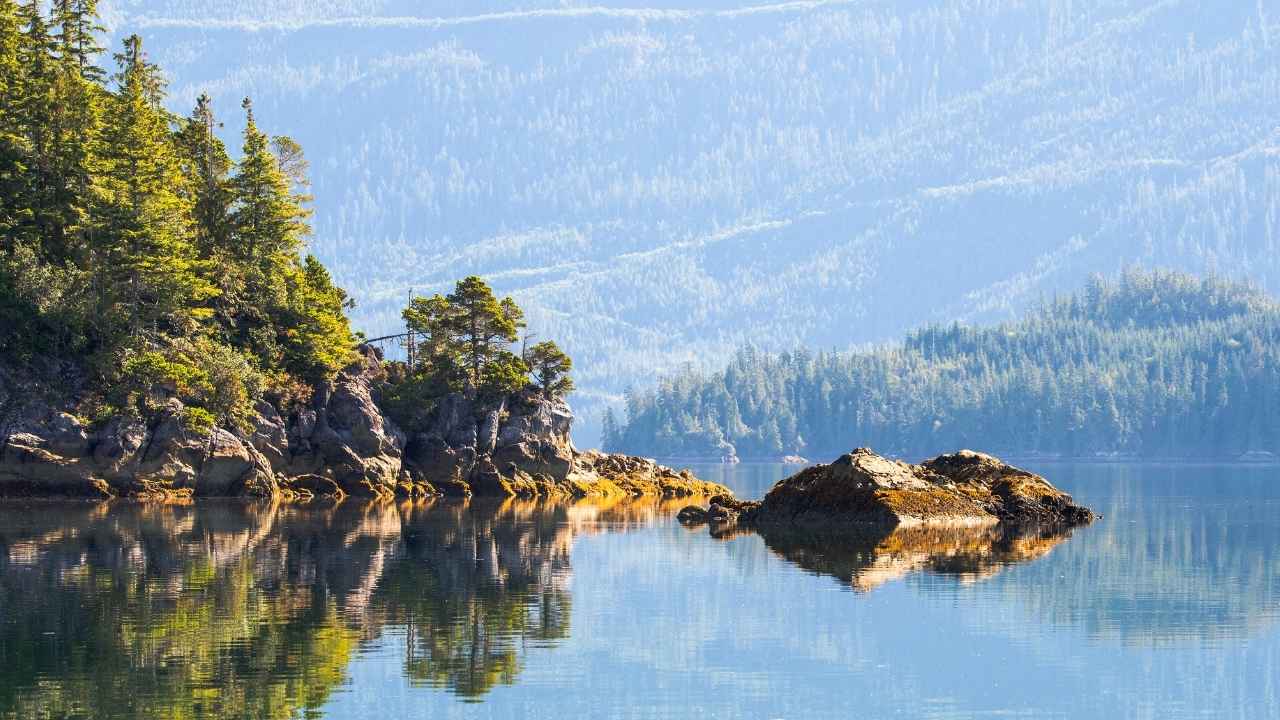
Dropping a trap into the cold, coastal waters off Vancouver Island should be on every angler’s bucket list, especially when looking to haul some fresh Pacific crab. Whether you’re casting off from a quiet dock, setting gear from a small boat, or hiking on foot to explore one of the many island inlets, crab fishing off Vancouver Island is an experience best enjoyed by seasoned outdoorsmen and newcomers alike.
Requiring equal parts patience and strategy, all recreational crabbers must carry equipment such as traps, nets, rods, reels, and safety gear. However, alongside these basic tools, they’re also required to carry a valid BC saltwater fishing license, as the region’s strict regulations around crab species, size limits, and daily quotas are readily enforced.
While some areas possess closures depending on the season, you can crab on Vancouver Island year-round, with the best conditions during the shoulder seasons of spring and fall.
Equally important is knowing where to go. Seasoned islanders might gatekeep secret locations, but with such vast wilderness and excellent waters, many uncrowded spots along public piers, marinas, and remote coastal waters are reachable for those with a boat. Since crabs tend to gather along sandy or muddy bottoms, be sure to check the tidal movement of the waters before you head out.
BC Fishing and Crabbing Licenses and Limits
Before dropping your trap, there’s one thing every successful outing starts with: making sure you’re fishing sustainably, legally, and responsibly. Getting your BC saltwater fishing license is quick, straightforward, and your ticket to enjoying some of the best fresh coastal seafood. So, whether you plan to make crabbing a regular routine hobby or simply want to plan a weekend getaway with friends, you must have your license in place first.
Once you’re licensed, it’s important to know the rules that keep crabbing sustainable in BC. The Vancouver crab season is open year-round for popular species like Dungeness crab, but that doesn’t mean it’s a free-for-all. There are clear daily limits, size requirements, and gear regulations that ensure the crab population remains healthy. For example, only male crabs can be kept, and they must meet the minimum size threshold, a proper measuring gauge is an essential tool needed for all crabbers.
Limits are equally important. Recreational crabbing allows a set number of crabs per person, per day, with traps marked and set according to the federal guidelines. With some areas under temporary or seasonal closures, you must follow management rules and avoid conservation-sensitive zones.
Crabbing Spots and Locations on Vancouver Island
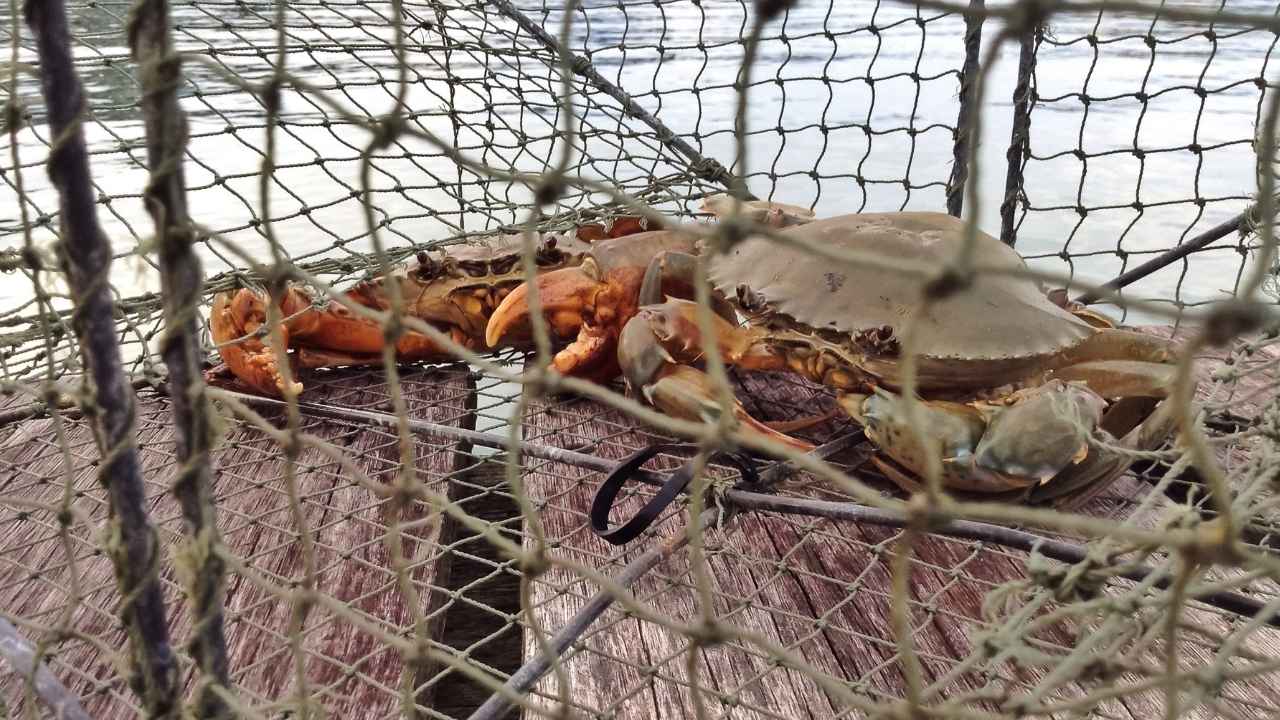
As home to some of the most accessible and abundant crabbing waters on the West Coast, there are a variety of locations for those looking to experience the best of crabbing on Vancouver Island.
Victoria & Sooke (South Island)
An ideal spot with accessible shoreline and pier crabbing, this region is a beginner favourite, specifically the Sooke Basin and Victoria’s inner Harbour, where calm waters make fantastic entry points for crabbing on Vancouver Island.
Nanaimo & Departure Bay (Central Island)
Known for having productive waters and easy boat access, Nanaimo crab fishing is incredibly popular. With public docks and nearby inlets, the strong tidal movement offers reliable opportunities for crabbing on Vancouver Island.
Campbell River (North Island)
Often referred to as the “Salmon Capital of the World,” this region also delivers excellent crab fishing on Vancouver Island. With deep coastal waters and less pressure than southern spots, Campbell River is a great place for experienced crabbers who have extra time to get up island.
Sidney Area (Southeastern Coast)
Nestled just north of Victoria, this picturesque coastal community offers excellent year-round crabbing from both public piers and boats. With local hotspots like the Sidney fishing pier and the productive waters around Sidney Spit.
Types of Crabs on Vancouver Island
Location & Types of Common Crabs
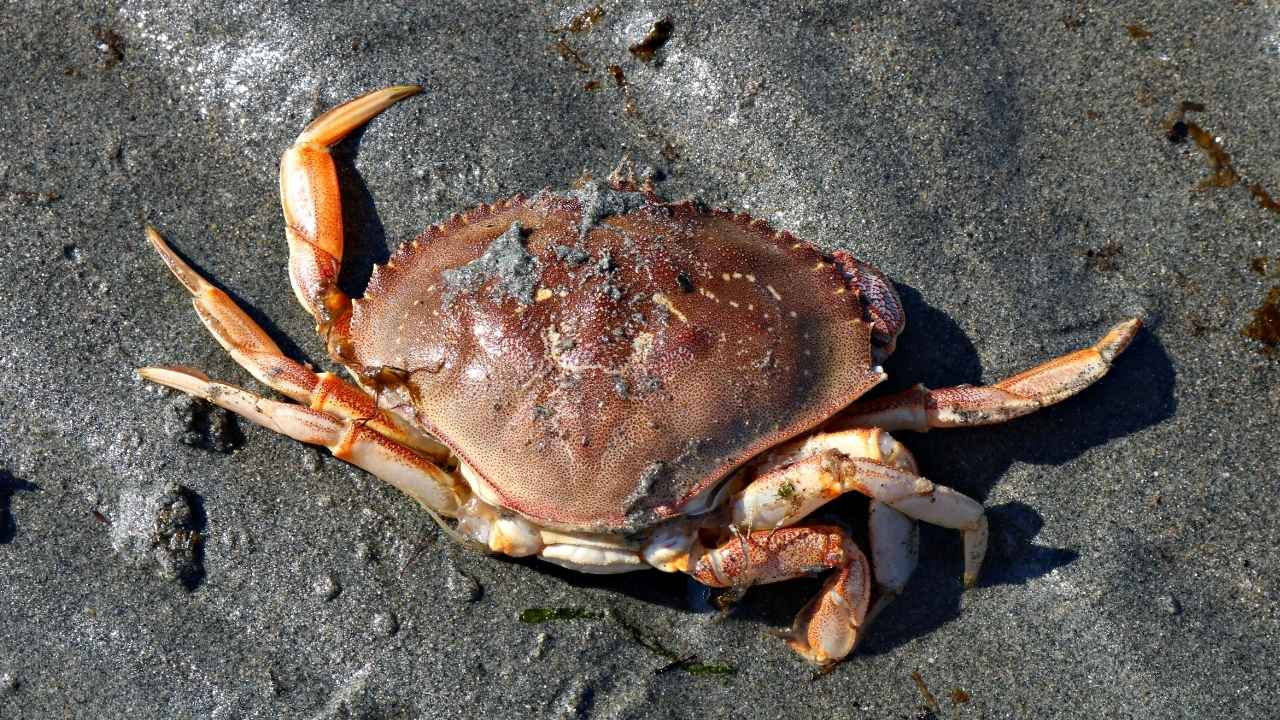
- Victoria, Sooke and Sidney: Dungeness Crab, Red Rock Crab, Graceful Crab (rare)
- Nanaimo and Departure Bay: Dungeness Crab, Red Rock Crab, Kelp Crab
- Campbell River: Dungeness Crab, Red Rock Crab, Kelp Crab, Puget Sound King Crab (very limited)
Brief Descriptions of Types of Crabs on Vancouver Island
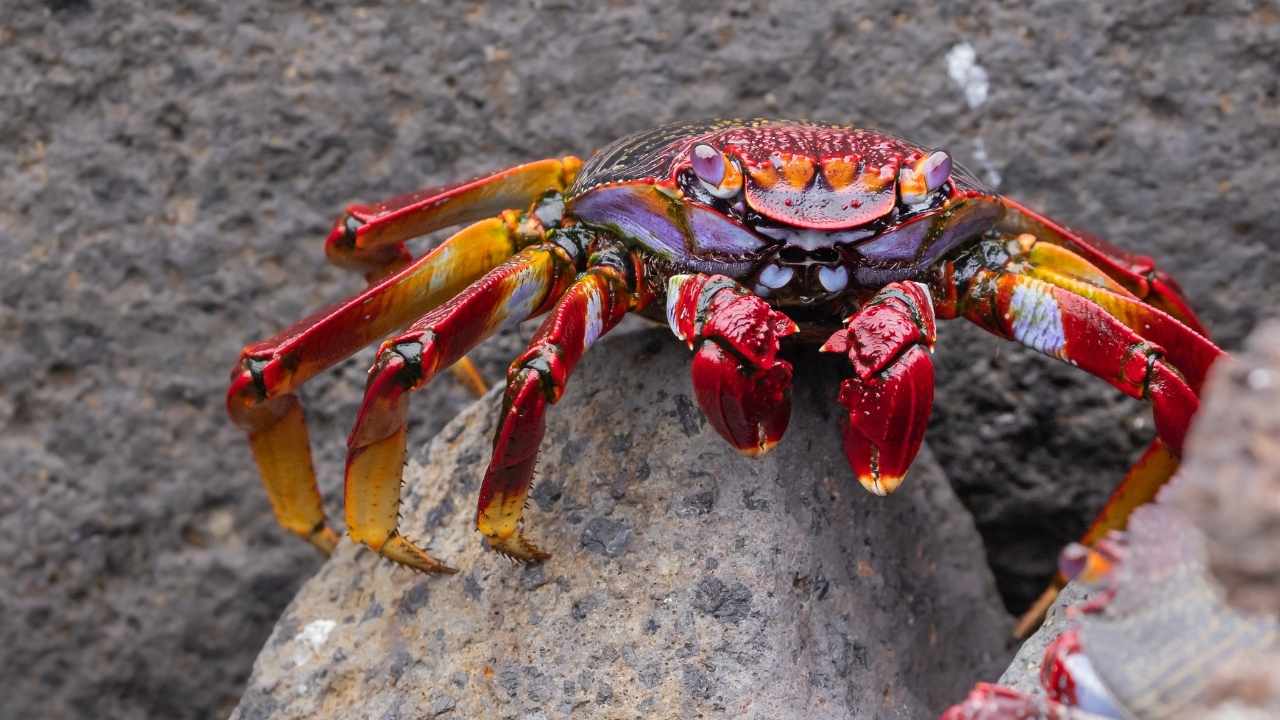
- Dungeness Crab: The main source of eating and the most targeted island crab.
- Red Rock Crab: Very common, slightly tougher meat.
- Kelp Crab: Edible, but not commonly kept.
- Puget Sound King Crab: Rare and highly regulated; not usually something recreational crabbers get to catch.
- Graceful Crab: Usually too small to harvest.
| Crab Species | Best Season to Catch | Locations on Vancouver Island |
| Dungeness Crab | Fall and Winter | Victoria & Sooke, Nanaimo, Sidney and Departure Bay, Campbell River |
| Red Rock Crab | Year-round (Peak in Fall) | Victoria & Sooke, Nanaimo & Departure Bay, Campbell River, Sidney |
| Kelp Crab | Summer and Early Fall | Nanaimo & Departure Bay, Campbell River |
| Puget Sound King Crab | Fall and Winter (Highly Regulated) | Campbell River (very limited) |
| Graceful Crab | Spring and Summer (Usually Too Small to Keep) | Victoria, Sidney, Sooke (rare) |
Crabbing Gear You Need on Vancouver Island
Having the right gear can make all the difference between an entry trap and a cooler full of fresh crab. At a minimum, you’ll want to invest in a durable crab trap or ring net, some quality leaded rope, and a clearly marked buoy for easy retrieval and compliance with the local regulations for crabbing on Vancouver Island. It also helps to use effective bait like fish carcasses to attract crabs, and your sturdy trap line harness to keep everything secure in stronger currents.
It helps to have other essential tools, such as a crab gauge to measure legal size, gloves for handling, and a proper storage container or cooler to keep your catch fresh. Outfitting yourself with reliable, marine-grade gear also ensures that you’re dry and prepared for the conditions.
FAQs
Do I need a license to catch crab on Vancouver Island?
Yes, you do need a license to catch crab on Vancouver Island. Anyone crabbing in tidal (saltwater) areas is required to have a valid BC saltwater fishing license. These licenses are easy to obtain online.
How big does a Dungeness crab have to be to keep in BC?
In BC, a Dungeness crab must be at least 165 mm (6.5 inches) across the shell to be kept legally. Be sure to measure straight across the widest part of the shell and only keep male crabs.
Can I keep the female crabs that I got on Vancouver Island?
No. In BC, it’s the law that all female crabs are released, regardless of size or specific. This rule protects crab populations and maintains a healthy stock. For reference, females have a wide, rounded abdominal flap, so be sure to flip your crab over to check its underside.
How many crab traps per person in BC?
You are allowed to use up to two crab traps per person when recreationally crabbing in BC. For those specifically targeting crabs on Vancouver Island, be sure to mark your traps (as required by regulations) and follow the local rules regarding placement and spacing.
Where are the best places to go crabbing from the shore?
Nanaimo’s public docks and waterfront areas are great for shore crabbing, with Departure Bay being especially popular for Nanaimo crab fishing. Sooke Basin and parts of Campbell River are also great choices when the tides are moving.
What is a rot cord, and why is it required on traps?
A rot cord is a short piece of biodegradable twine built into a crab trap that naturally breaks down over time. It’s required so that if the trap gets lost, it will eventually open, preventing crabs and other marine life from being trapped inside.