
British Columbia offers some of the most spectacular boating destinations in North America, from the sheltered waters of Indian Arm to the rugged coastlines of Desolation Sound and the Gulf Islands. However, choosing the right anchor is pivotal for safety, security, and peace of mind. Since different seabeds, weather conditions, and boat sizes require different anchoring solutions, understanding the various boat anchor types can help you select the right equipment for your vessel and the waters you frequent most. If you want to learn more before you make your choice, this boat anchor guide covers the most common types of anchors, sizing considerations, and essential anchoring equipment every BC boater should know.
What Are the Different Types of Anchors?
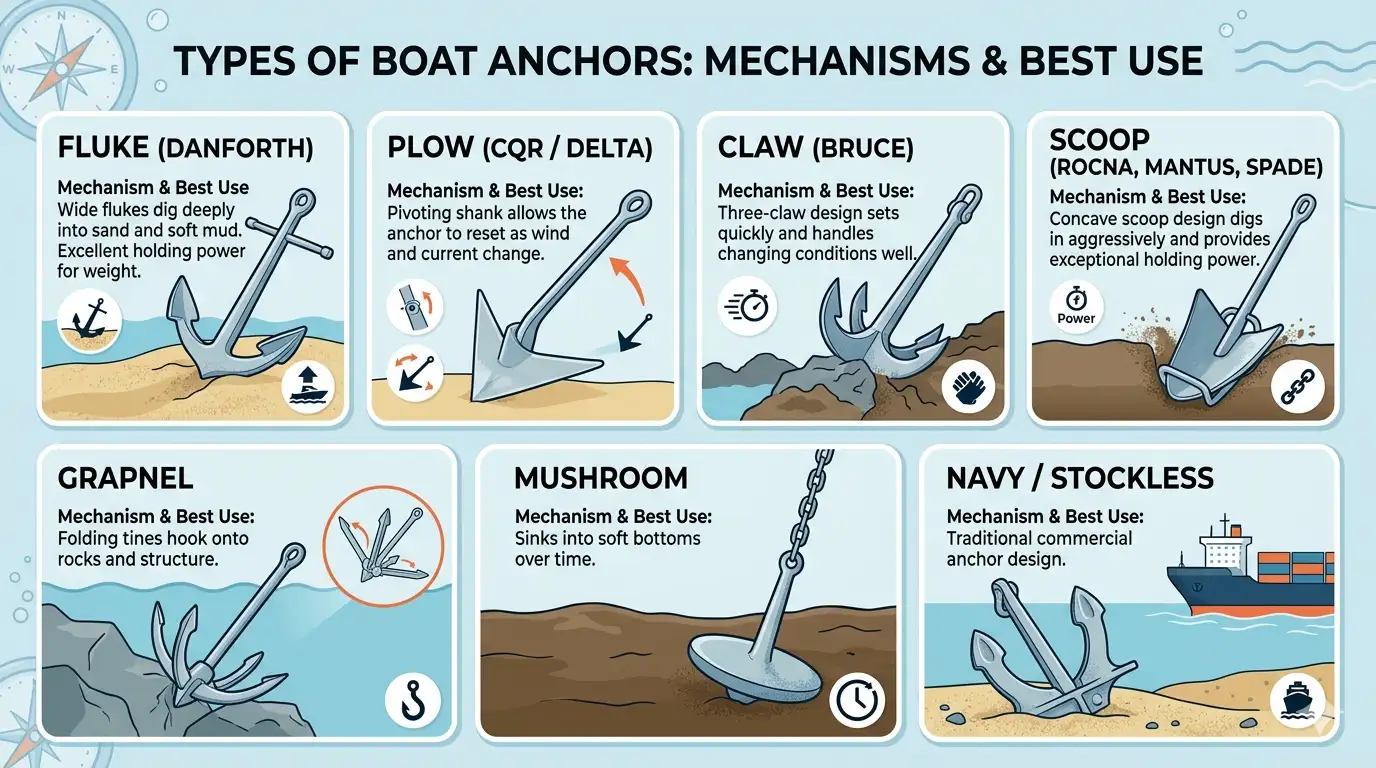
There are several different types of anchors, each designed to perform best in specific bottom conditions and boating environments.
| Type of Anchor | Mechanism & Best Use | BC Boating Location | Weakness |
| Fluke (Danforth) | Wide flukes dig deeply into sand and soft mud. Excellent holding power for weight. | Pitt Lake mud flats, Fraser River sandbars. | Struggles in rocky bottoms, heavy weed, and kelp. |
| Plow (CQR / Delta) | Pivoting shank allows the anchor to reset as wind and current change. | Indian Arm, Howe Sound, overnight anchoring. | Heavier than fluke anchors and may require more storage space. |
| Claw (Bruce) | Three-claw design sets quickly and handles changing conditions well. | Popular among local fishing guides and recreational boaters. | Lower holding power-to-weight ratio than newer designs. |
| Scoop (Rocna, Mantus, Spade) | Concave scoop design digs in aggressively and provides exceptional holding power. | Desolation Sound, extended cruising. | Higher initial investment cost. |
| Grapnel | Folding tines hook onto rocks and structure. | Kayaks, inflatables, rocky shorelines. | Limited holding power in mud or sand. |
| Mushroom | Sinks into soft bottoms over time. | Permanent moorings, canoes, docks. | Not suitable for overnight anchoring on powerboats. |
| Navy / Stockless | Traditional commercial anchor design. | Commercial vessels and permanent installations. | Rarely used by recreational boaters due to weight and complexity. |
For boaters wondering which type of anchor for small lightweight boat applications is best, a folding grapnel anchor is often the preferred choice because it stores easily and performs well in rocky conditions.
Which Are the Best Boat Anchors?
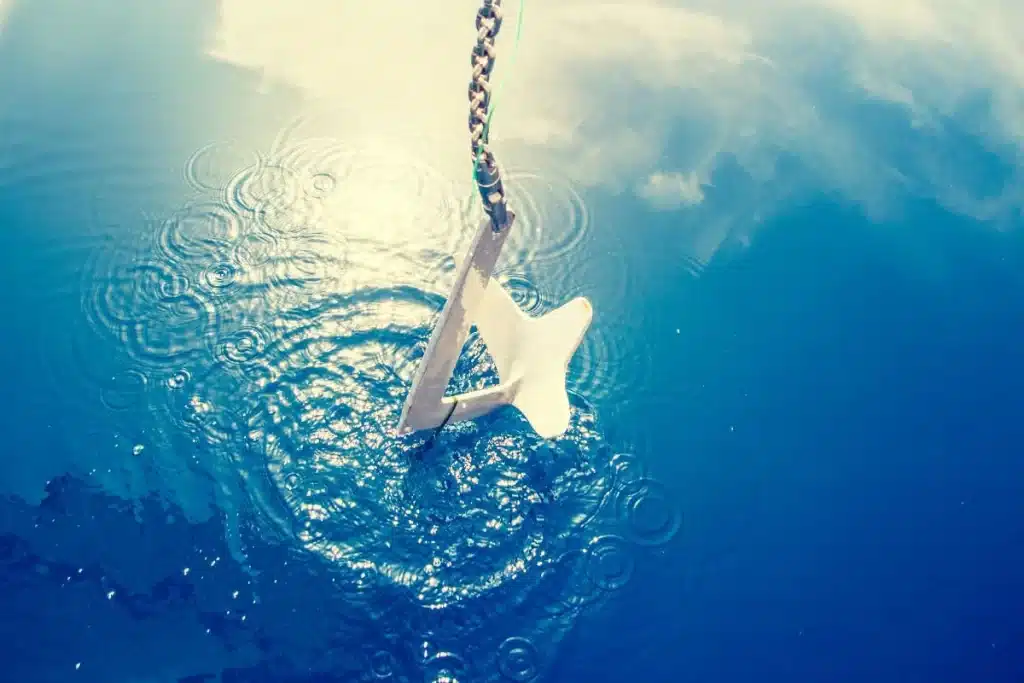
Many experienced BC cruisers consider modern scoop-style anchors such as Rocna, Mantus, and Kingston among the best boat anchors available today due to their superior holding power and ability to reset quickly during changing conditions.
Anchor Sizing Chart: What Size Anchor Do I Need for My Boat?
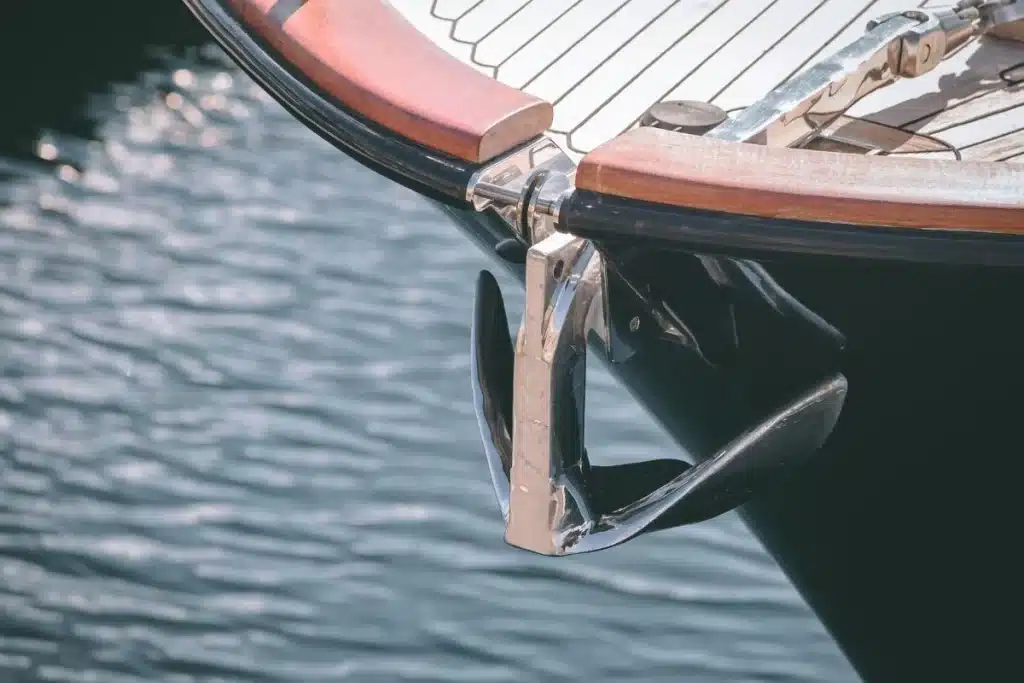
One of the most common questions boaters ask is, “What size anchor for my boat?” While manufacturers provide specific recommendations, this general anchor sizing chart can serve as a starting point:
| Boat Length | Recommended Anchor Weight |
| Up to 20 ft | 8–15 lbs |
| 20–27 ft | 15–22 lbs |
| 27–35 ft | 22–33 lbs |
| 35–45 ft | 33–55 lbs |
| 45+ ft | Consult manufacturer recommendations |
When determining what size anchor for my boat is appropriate, factors such as vessel weight, windage, cruising area, and bottom conditions should also be considered. Also consider that anchor manufacturers may recommend different sizes depending on anchor design and intended use.
Boat Anchor System: Chain, Rope and Windlass
An anchor is only one part of a complete boat anchor system.
A proper anchoring setup includes:
Each component contributes to the overall holding power and reliability of your anchoring setup. Many anchoring failures occur not because of the anchor itself but because of inadequate rode length, worn components, or improper deployment. We recommend that you follow proven anchoring guidelines that can significantly improve safety and performance.
What Type of Chain Should I Get?
Chain serves two important functions:
- It protects the anchor line from abrasion.
- It helps maintain a lower pulling angle on the anchor, increasing holding power.
Most recreational boaters choose galvanized chains because of their durability and corrosion resistance in saltwater environments. However, the amount of chain required depends on vessel size, anchor type, and intended use.
What Is the Best Type of Anchor Line?
When considering what is the best type of anchor line, boaters generally choose between rope, chain, or a combination rode.
Chain vs Rope vs Combination Rode
All Chain
- Maximum abrasion resistance
- Excellent holding performance
- Ideal for larger vessels
- Heavier and more expensive
All Rope
- Lightweight and easy to handle
- Lower cost
- Less effective in rough conditions
Combination Rode
- Most popular recreational option
- Chain near the anchor, rope behind it
- Good balance of performance and affordability
For most BC recreational boaters, a combination rode provides an excellent blend of strength, flexibility, and ease of use.
Windlass Installation Safety
A windlass can make anchor retrieval safer and easier, particularly on larger vessels.
When installing a windlass:
- Ensure proper electrical connections.
- Use manufacturer-recommended breakers and wiring.
- Verify deck reinforcement where required.
- Inspect mounting hardware regularly.
A properly installed windlass reduces physical strain and improves safety during anchor deployment and retrieval.
FAQs
What size anchor do I need for my boat?
Anchor size depends on boat length, weight, cruising area, and anchor type. Consult an anchor sizing chart and manufacturer recommendations for the most accurate guidance.
Which type of anchor has little holding power?
Mushroom and grapnel anchors generally offer less holding power compared to modern scoop-style anchors, especially for larger recreational vessels.
Which type of anchor is best for a small, lightweight boat?
For kayaks, inflatables, and other small vessels, a folding grapnel anchor is often the preferred solution due to its compact size and effectiveness in rocky areas.
How much do anchors weigh?
Anchor weights vary significantly depending on boat size and anchor design. Recreational anchors commonly range from 8 pounds for small boats to over 55 pounds for larger cruising vessels.
What is the best type of anchor line?
A combination rode consisting of chain and rope is often considered the best balance of holding power, flexibility, and cost for most recreational boaters.
How Much Chain for an Anchor?
The amount of chain depends on vessel size and boating conditions. Many recreational boaters use between 15 and 50 feet of chain as part of their anchor rode system, although larger boats may require more.
What Should Be Avoided When Anchoring?
Avoid anchoring in environmentally sensitive areas, designated no-anchor zones, navigation channels, and areas with underwater cables or pipelines. Boaters should also avoid locations with poor holding ground, heavy traffic, or excessive exposure to weather.
What Is the Proper Technique for Anchoring a Boat?
The proper technique involves approaching slowly, lowering the anchor rather than throwing it, deploying the correct amount of rode, and backing down gently to set the anchor securely. For a complete walkthrough of what is the proper technique for anchoring a boat, visit our detailed anchoring guide here.
Anchoring a Boat: A Guide for Canadian Boaters
Choosing the right anchor and anchoring system is one of the most important safety decisions a boater can make. By understanding the various kinds of anchors, selecting the proper size, and following established anchoring guidelines, you’ll be better prepared to enjoy BC’s incredible waterways with confidence.