


For boaters in British Columbia, whether you’re navigating the Fraser River, cruising Pitt Lake, or heading out along the coast, choosing the right propeller isn’t just a technical detail. It directly affects your boat’s performance, fuel efficiency, and overall handling. At Poco Marine, we regularly help boat owners dial in their setup, and one of the most overlooked upgrades is selecting the proper prop. This guide breaks down everything you need to know in clear, practical terms so you can make the right choice for your boat and local conditions.
Decoding the Prop Numbers: Diameter, Pitch, and Blades
When you look at a boat propeller, you’ll typically see numbers stamped on it, something like 14 x 19. These numbers tell you two critical things:
- Diameter: The first number (14) refers to the total width of the propeller in inches.
- Pitch: The second number (19) indicates how far the propeller would theoretically move forward in one revolution, also in inches.
Think of pitch like gearing in a truck:
- Lower pitch = quicker acceleration, lower top speed.
- Higher pitch = slower acceleration, higher top speed.
The number of blades also plays a role:
- 3-blade props are standard for most recreational boats
- 4-blade props offer better grip and control, especially in rough or heavy-load conditions.
Understanding these basics is the foundation for choosing the right prop.
How to Determine Propeller Size and Pitch
Choosing a boat propeller comes down to how you use your boat, a fishing boat on the Fraser River has very different demands than a wake boat on Pitt Lake.
Here are the main factors to consider:
- Engine RPM range: Your outboard or sterndrive has a recommended wide-open throttle (WOT) range. Your prop should allow the engine to operate within this range.
- Boat weight: Heavier loads require a lower pitch for better acceleration.
- Usage: Towing, cruising, or fishing all demand different performance characteristics.
- Water conditions: River currents vs. calm lakes vs. coastal chop.
If your engine struggles to reach proper RPM, your pitch is likely too high. If it revs too easily, your pitch may be too low.
How to Measure a Boat Propeller
To measure diameter:
- Measure from the center of the hub to the tip of one blade.
- Double that number.
Most modern props will already have this stamped, but it’s useful if markings are worn.
How to Measure the Propeller Pitch
Pitch is harder to measure manually and can require specialized tools.
Need to know how to measure the propeller pitch?
- Read the stamped number on the prop.
- Consult a marine technician at our Poco Marine shop to get accurate specs.
Types of Boat Propellers: 3-Blade vs. 4-Blade
One of the most common questions we hear is whether to stick with a 3-blade or upgrade to a 4-blade prop. Ultimately, it comes down to how you prioritize speed vs. control.
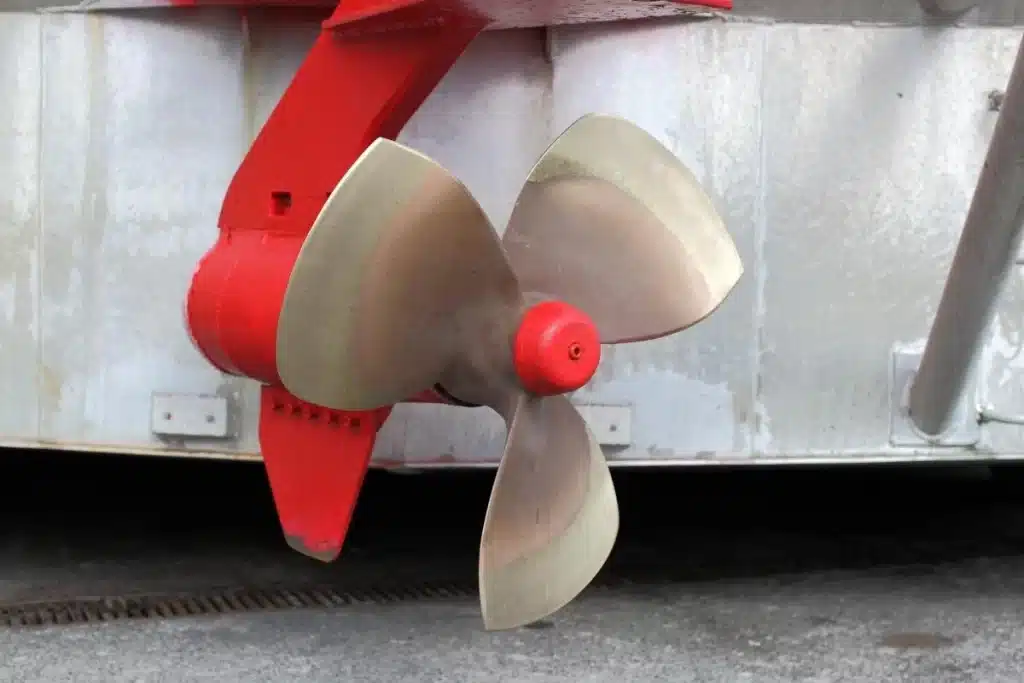
3-Blade Propellers
- Higher top-end speed.
- Better fuel efficiency at cruising speeds.
- Ideal for general recreational boating.
4-Blade Propellers
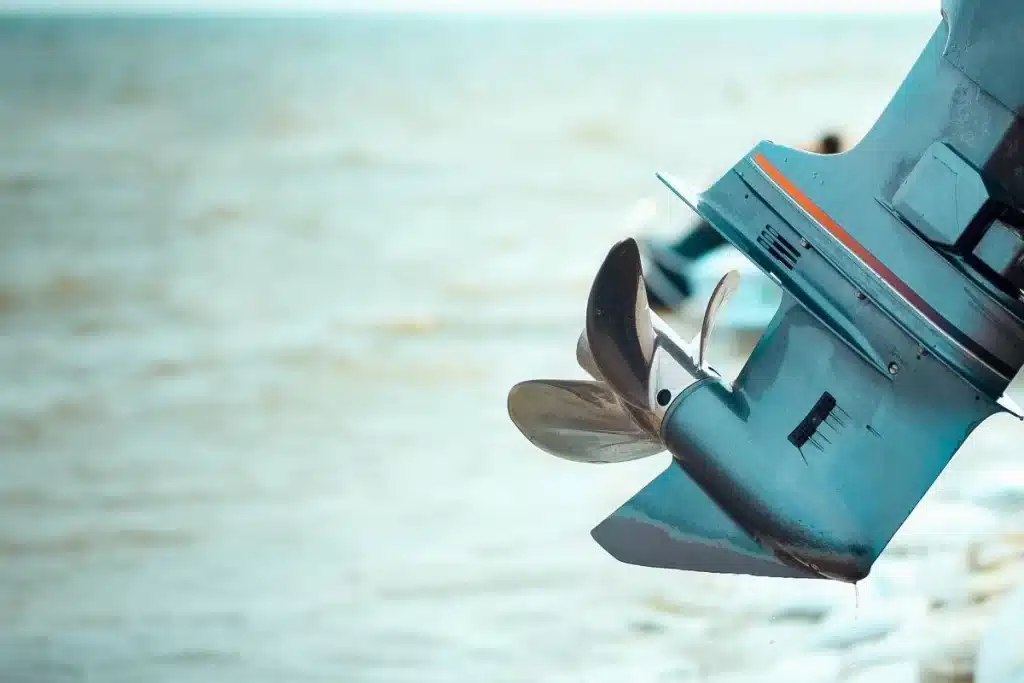
- Faster acceleration (better “holeshot”).
- Improved handling and grip in rough water.
- Better performance with heavy loads or towing.
For BC boaters:
- Fraser River currents and debris can benefit from the control of a 4-blade.
- Pitt Lake recreational users often prefer 3-blade for speed and efficiency.
Choosing a Boat Propeller Material: Aluminum vs. Stainless Steel
The material choice has a significant impact on both performance and durability, which is why many experienced boaters in the Vancouver area like to keep a spare aluminum prop on hand, even if they primarily run stainless.
Aluminum Props
- More affordable options.
- Good for casual or occasional boaters.
- Easier to repair or replace.
- Slightly less efficient due to flex.
Stainless Steel Props
- More durable and resistant to damage.
- Better performance due to reduced flex.
- Improved fuel efficiency and speed.
- Higher upfront cost.
For local waters:
- The Fraser River’s debris and sandbars can make aluminum a safer (and cheaper) option.
- Coastal or open-water use often justifies stainless steel for performance gains.
How to Size a Boat Propeller Using a Boat Prop Calculator
A boat prop calculator can take the guesswork out of sizing by recommending an ideal diameter and pitch.
These tools use:
- Engine horsepower
- Gear ratio
- Boat weight
- Desired performance
Keep in mind that a boat pro calculator doesn’t factor in real-world conditions like current, load, and hull design, which can change performance significantly.
We recommend that you:
- Use a calculator to get a baseline.
- Test on the water.
- Fine-tune based on RPM and handling.
Here at Poco Marine, we often recommend testing a couple of prop options when possible. Small changes in pitch (even 1–2 inches) can make a noticeable difference.
Choosing a boat propeller isn’t just about specs, it’s about matching your boat to how and where you use it. Whether you’re running upriver, towing the grandkids on Pitt Lake, or heading out for a coastal cruise, the right prop can make your time on the water smoother, safer, and more enjoyable.
If you’re unsure where to start, a quick conversation with our professional team at Poco Marine can save you time, money, and frustration and get your boat performing exactly the way it should.
FAQs
What is a prop on a boat?
A prop (short for propeller) is the rotating blade that pushes your boat through the water by converting engine power into forward motion.
How do you measure a boat propeller accurately?
Measure the diameter from the center of the hub to the blade tip and double it. The pitch is usually stamped on the prop and is best verified by a professional if unclear.
What pitch propeller do I need for the Fraser River?
For the Fraser River, many boaters prefer a slightly lower pitch to improve acceleration and control in strong currents. This helps when navigating shifting sandbars and dealing with variable flow conditions.
What propeller for my boat is best for Pitt Lake?
Pitt Lake typically allows for smoother, more open boating. A mid-to-higher pitch propeller works well for those cruising or towing, especially with a 3-blade setup for better speed and efficiency.
How to choose prop pitch for better holeshot and acceleration
If you want quicker acceleration (holeshot), choose a lower pitch prop. This allows your engine to rev more easily and deliver power faster, which is ideal for towing or heavy loads.
What is the difference between aluminum and stainless steel boat props?
Aluminum props are more affordable and forgiving if you hit debris, whereas stainless steel props offer better performance, durability, and efficiency but come at a higher cost.
What does propeller pitch mean?
The term “pitch” refers to how far the propeller would move forward in one full rotation, measured in inches. This directly affects speed and acceleration.
How do I know if I need a new propeller?
Common signs include:
- Reduced performance or speed.
- Engine over-revving or struggling.
- Visible damage like bends or chips.
- An increased vibration.
If you’re noticing any of these issues, it’s worth having your prop inspected.