


Horizontal Windlass
A horizontal anchor windlass is a durable, self-contained solution that mounts entirely above deck. This design allows straightforward installation and maintenance. The robust system delivers dependable power for British Columbia’s deep, rugged inlets, reducing physical strain and enabling precise control for navigating tight Gulf Islands coves or holding position over distant halibut grounds. To meet these demands, Poco Marine offers a curated selection of horizontal windlasses engineered for the Pacific Northwest.
(more...) A horizontal windlass is a valuable upgrade for BC boaters prioritizing safety and convenience. The unit, which contains the internal motor and gearbox, is installed above deck, offering clear benefits for both DIY boaters and professionals. A horizontal windlass uses an electric or manual motor to rotate a horizontal shaft. This shaft turns the gypsy, which is a notched wheel specially designed to grip the anchor chain. As the gypsy turns, it pulls the anchor rope and chain (called the rode) from the seabed and feeds it down a chain pipe into your anchor locker, keeping your anchor gear secure. Power Materials Key Components A windlass is a powerful tool. Follow these non-negotiable safety rules: Yes, horizontal windlasses suit shallow lockers, needing just 12 inches of ‘fall.’ Vertical models require at least 18 inches, which many BC boats do not have. Yes, choose a model with “automatic freefall” to drop the anchor instantly and accurately. They work well, horizontal gypsies grip 90 degrees of chain, so a low-profile, professional 8-plait rope-to-chain splice is best. These units are exposed but designed for it, with easy access for service. Use 316 stainless steel for top corrosion resistance. Perform the scheduled maintenance by checking seals, greasing clutch cones, and protecting electrical connections to ensure optimal performance. Size your windlass for at least 3-4 times your total ground tackle weight, including all rode. Upsizing is smart for deep anchorages. The breaker is protecting the motor, and the most common cause is overloading the windlass. Remember to always motor the boat up to the anchor; don’t use the windlass to pull the boat forward. Other causes include a weak battery, corroded electrical connections, or a stiff gypsy that needs cleaning and lubrication.Why a Horizontal Windlass is Your Deckhand
Typical Applications on the BC Coast
Practical BC Advice:
How Does a Horizontal Windlass Work?
Types and Components
Safety Precautions
FAQs
My sailboat’s anchor locker is very shallow. Is a horizontal windlass my best choice?
I fish for salmon. Is there a horizontal windlass that allows me to drop anchor quickly in a specific spot?
I cruise in deep inlets like Desolation Sound. Will a horizontal windlass have issues with my long rope/chain rode?
How do I protect an above-deck horizontal windlass from the constant rain and saltwater in the Pacific Northwest?
How do I size a new windlass? Is the boat length enough?
My windlass keeps tripping its circuit breaker. What’s wrong?
Showing all 17 results
-

Lewmar Pro 1000 Horizontal Windlass Kit 1/4″ G40 Chain
$1,320.98 USD Add to cart -
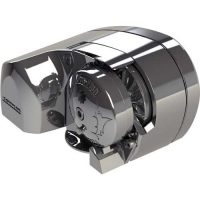
Lewmar Pro Fish 1000 Horizontal Windlass 5/16″ G4 Chain
$1,367.77 USD Add to cart -
Lewmar Pro Series 700 Horizontal Windlass Kit 6mm-7mm G4 Chain
$1,115.81 USD Add to cart -
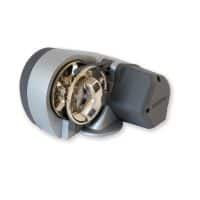
Lewmar Pro Sport 550 Windlass 1/4″ G40 Chain
$863.84 USD Add to cart -
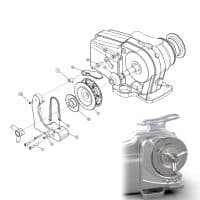
Lofrans Rope Kit for Tigres Windlass
$467.90 USD Select options This product has multiple variants. The options may be chosen on the product page -
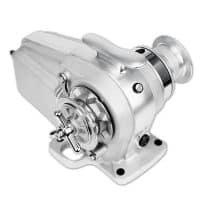
Lofrans TIGRES Horizontal Windlass 12 Volt 1500W 3/8″ HT Chain with Rope Kit
Call for Pricing Read more -
Lofrans TIGRES Horizontal Windlass 12 Volt 1500W 5/16″ HT Chain with Rope Kit
Call for Pricing Read more -
Lofrans TIGRES Horizontal Windlass 12 Volt 1500W with 10mm DIN 766 Chain Gypsy
Call for Pricing Read more -
Lofrans TIGRES Horizontal Windlass 12 Volt 1500W with 10mm ISO 4565 Chain Gypsy
Call for Pricing Read more -
Lofrans TIGRES Horizontal Windlass 12 Volt 1500W with 8mm ISO 4565 DIN 766 Chain Gypsy
Call for Pricing Read more -
Lofrans TIGRES Horizontal Windlass 24 Volt 1500W 10mm ISO 4565 Chain
Call for Pricing Read more -
Lofrans TIGRES Horizontal Windlass 24 Volt 1500W 3/8″ HT Chain with Rope Kit
Call for Pricing Read more -
Lofrans TIGRES Horizontal Windlass 24 Volt 1500W 5/16″ HT Chain with Rope Kit
Call for Pricing Read more -
Lofrans TIGRES Horizontal Windlass 24 Volt 1500W with 10mm DIN 766 Chain Gypsy
Call for Pricing Read more -
Lofrans TIGRES Horizontal Windlass 24 Volt 1500W with 8mm ISO 4565 DIN 766 Chain Gypsy
Call for Pricing Read more -
Lofrans TIGRES Horizontal Windlass 48 Volt 1500W with 10mm ISO 3/8″ Chain Gypsy and Rope Kit
Call for Pricing Read more -
Lofrans TIGRES Horizontal Windlass 48 Volt 1500W with 8mm ISO-5/16″ Chain Gypsy and Rope Kit
Call for Pricing Read more