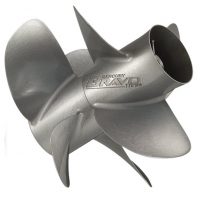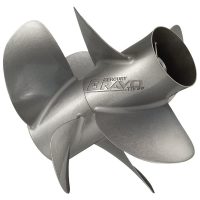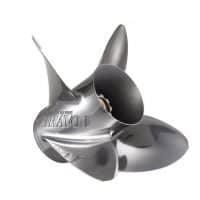


Mercury and MerCruiser Propellers
The “Damp Coast” demands more than just standard propulsion. Navigating British Columbia’s waters from the debris-laden Fraser River freshet to the swirling currents of Dodd Narrows requires absolute drivetrain confidence.
(more...)
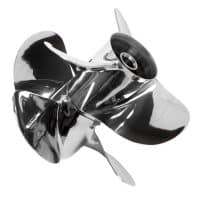
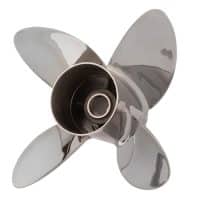
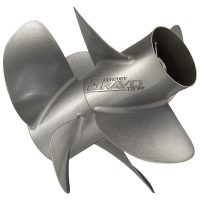
At Poco Marine, we offer a range of Mercury propellers built for local conditions. Whether you need the durability of a Mercury outboard propeller for log strikes or the reliable grip of a Mercruiser Bravo 3 for tight maneuvering in cross-currents, we are your Canadian experts for Mercury marine propellers.
Key Benefits of Mercury Marine Propellers for BC Waters
- Maximize Fuel Economy: Advanced alloy designs can extend your range on long hauls to Desolation Sound.
- Superior Hold in Currents: Specialized mercury boat propellers with 4- and 5-blade geometries can reduce ventilation by up to 30% in the turbulent waters of active passes. This measurable reduction ensures enhanced control and reliability when navigating challenging conditions.
- Drivetrain Protection: The patented Flo-Torq hub systems act like a safety device, sometimes called a “fuse.” Like an electrical fuse that trips to protect a circuit when overloaded, the Flo-Torq hub is designed to break if you hit something in the water. This sacrificial action safeguards your expensive gears from serious damage.
- Cold Water Performance: Optimized pitch options help your engine reach peak RPM even in dense, cold Pacific water, preventing lugging.
- Corrosion Resistance: Proprietary alloys and anode systems specifically engineered to fight galvanic corrosion in our salt and brackish estuaries.
Common Applications for Mercury Outboard Motor Propellers in BC
| Local Application | BC Challenge | Recommended Propulsion Solution |
| Winter Chinook Trolling | Standard idle speeds (4+ knots) are often too fast for winter feeder springs. | Pitch Down: Switch to a lower-pitch prop (e.g., 19″ to 17″) or use a 4/5-blade model for precise, slow-trolling speeds (2-3 knots) without buckets. |
| Commercial Prawning | Lifting heavy strings of traps from deep anchorages (300ft+) puts an immense load on the engine. | High Thrust: Use Mercury Bravo III outboard propellers to provide the leverage needed to lift loads without engine strain. |
| Gulf Island Cruising | Navigating long distances through the choppy, wind-against-tide waters of the Strait of Georgia. | Efficiency: Stainless steel mercury marine propellers offer the durability and fuel economy required for loaded cruising boats. |
How to Choose a Mercury Propeller?
Selecting the right prop in BC is a balance between performance and the realities of our rugged coast. Follow this step-by-step guide to find your match.
Step 1: Assess Your Impact Risk (Material Selection)
High Debris Risk (River Runners): If you navigate the Fraser River or log-heavy estuaries, choose Aluminum. These props act as a mechanical fuse; if you hit a deadhead, the blades shear or bend, sacrificing the $200 prop to save your $5,000 lower unit.
Managed Risk (Deep Water): If you primarily cruise in deep waters such as Desolation Sound, choose Stainless Steel. They are 5x stronger than aluminum, offering thinner blades for higher speeds and better fuel economy.
Step 2: Define Your Hull Dynamics (Blade Count)
General Cruising: A 3-Blade prop is standard for top speed and general efficiency.
Heavy Loads & Rough Water: A 4-Blade prop provides superior stern lift. This is essential for getting stern-heavy aluminum fishing boats on plane quickly and holding them there at lower speeds in rough chop.
Step 3: Tune for the Season (Pitch Selection)
Summer: Use standard pitch for best cruising speed and efficiency.
Winter: “Pitch down” (reduce pitch by 2 inches) for the winter season. This compensates for the added weight of downriggers, kicker motors, and wet gear, and provides better low-speed trolling control.
Step 4: Factor in Hazardous Currents
Active Passes: If you frequently transit areas like Dodd Narrows or Skookumchuck, upgrade to a high-grip 4-blade or 5-blade prop. The extra blade area prevents “ventilation blowout” in whirlpools, ensuring you maintain steering authority when it matters most.
How Do They Work?
The Mechanism:
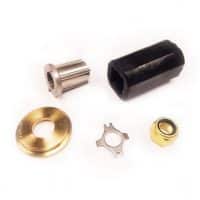
Modern Mercury propellers utilize a modular hub system. The propeller slides onto the shaft and is secured by a specialized hub kit (like Flo-Torq) that cushions shifting and protects the drivetrain.
Types:
- 3-Blade: Best for top speed and general cruising.
- 4-Blade: Superior hole shot, cruising efficiency, and rough water handling.
- 5-Blade: Ultimate grip for towing and extreme rough water trolling.
Safety First:
Always carry a spare Mercury propeller and a floating prop wrench. Changing a spun hub in freezing water is dangerous; dropping the prop nut ends your trip instantly. Keep a spare nut and thrust washer in your kit.
FAQs About Mercury Propellers
Do I need a specific propeller for winter Chinook trolling in BC?
Yes, for winter Chinook trolling in BC, a standard propeller may make your boat troll too fast. To slow down, reduce pitch (use a lower-pitch prop) or switch to a 5-blade prop. These options allow you to troll at slower speeds while keeping your engine at the proper RPM for proper oil flow and battery charging.
How do I stop my MerCruiser Bravo Three propeller from corroding in Vancouver marinas?
The dual stainless props on a MerCruiser Bravo 3 drive can increase galvanic corrosion. Use aluminum anodes for local brackish waters. Ensure your Mercathode system works and install a second prop-nut anode. Never use copper-based antifouling paint near the drive.
Which Mercury Marine propeller is best for hauling prawn traps?
When hauling heavy prawn traps, focus on thrust instead of speed. Use a 4-blade propeller, as it has sufficient surface area to lift a heavy, trap-loaded boat onto a plane without losing grip in the water.
Should I choose a stainless steel or aluminum propeller for the Fraser River?
For the Fraser River, a Mercury Aluminum propeller is the best as its design allows it to break on impact with silt or hidden logs, protecting your prop shaft and gears. In contrast, a Mercury Stainless Steel propeller can cause severe gearbox damage if it strikes a log, as it is less likely to break.
My boat loses steering grip in Dodd Narrows; will a new prop help?
Yes, switching props can help with loss of steering grip in Dodd Narrows. Standard 3-blade props can lose grip in turbulent whirlpools. Instead, use a 4-blade Mercury stainless steel propeller or a 4-blade aluminum propeller to maintain steering authority and boat control in strong eddy lines.
Showing 1–20 of 56 results
-

Bravo III Propellers (19)
-
Mercury E Class Propellers 90-115 CT | 150-450 HP 2 & 4 Stroke (21)
-
Flo-Torq II Hub Kit Mercury 835257Q1
$62.20 USD Add to cart -
Mercruiser 48-8M8022350 Rear 3 Blade RH 19P Bravo III Propeller
$894.35 USD Add to cart -
Mercruiser 48-8M8022360 Front 4 Blade LH 20P Bravo III Propeller
$894.35 USD Add to cart -
Mercruiser 48-8M8022370 Rear 3 Blade RH 20P Bravo III Propeller
$894.35 USD Add to cart -
Mercruiser 48-8M8022380 Front 4 Blade LH 21P Bravo III Propeller
$894.35 USD Add to cart -
Mercruiser 48-8M8022390 Rear 3 Blade RH 21P Bravo III Propeller
$894.35 USD Add to cart -
Mercruiser 48-8M8022400 Front 4 Blade LH 22.5P Bravo III Propeller
$894.35 USD Add to cart -
Mercruiser 48-8M8022410 Rear 3 Blade RH 22.5P Bravo III Propeller
$894.35 USD Add to cart -
Mercruiser 48-8M8022420 Front 4 Blade LH 24P Bravo III Propeller
$894.57 USD Add to cart -
Mercruiser 48-8M8022430 Rear 3 Blade RH 24P Bravo III Propeller
$894.35 USD Add to cart -
Mercruiser 48-8M8022440 Front 4 Blade LH 26P Bravo III Propeller
$894.57 USD Add to cart -
Mercruiser 48-8M8022450 Rear 3 Blade RH 26P Bravo III Propeller
$894.57 USD Add to cart -
Mercruiser Bravo 3 Propeller 48-8M8022350 LH Front 4-Blade
$894.35 USD Add to cart -
Mercury 48-831911A45 Bravo I Propeller 15 1/4″ x 24″ LH
$791.06 USD Add to cart -
Mercury 48-831913A45 Bravo I Propeller 15 1/4 x 26 LH
$791.06 USD Add to cart -
Mercury 48-831915A55 Bravo I Propeller 15 1/4 x 28 LH
$791.06 USD Add to cart -
Mercury Bravo 1 Propeller 15 1/4 x 22 RH
$791.06 USD Add to cart -
Mercury Bravo 1 Propeller 15 1/4 x 24 RH
$791.06 USD Add to cart -
Mercury Bravo 1 Propeller 15 1/4 x 26 RH
$791.06 USD Add to cart -
Mercury Bravo 1 Propeller 15 1/4 x 28 RH
$791.06 USD Add to cart