Description
Canadian Hydrographics Sailing Directions Northern Canada
Navigating the waters of Northern Canada presents unique challenges due to its remote location, variable weather conditions, and the presence of ice throughout much of the year. Below are general sailing directions to assist mariners planning to traverse these northern passages.
General Overview
Northern Canada’s waters, notably in the Arctic Archipelago and along the coasts of Nunavut and the Northwest Territories, require careful preparation. Mariners should consult up-to-date charts and bulletins, as navigational aids may be limited and conditions can change rapidly.
Major Routes
- Northwest Passage: This historic route connects the Atlantic and Pacific Oceans via the Arctic. Key waypoints include Lancaster Sound, Barrow Strait, and M’Clure Strait. Passage is typically possible from late July through early September when ice cover is at its minimum.
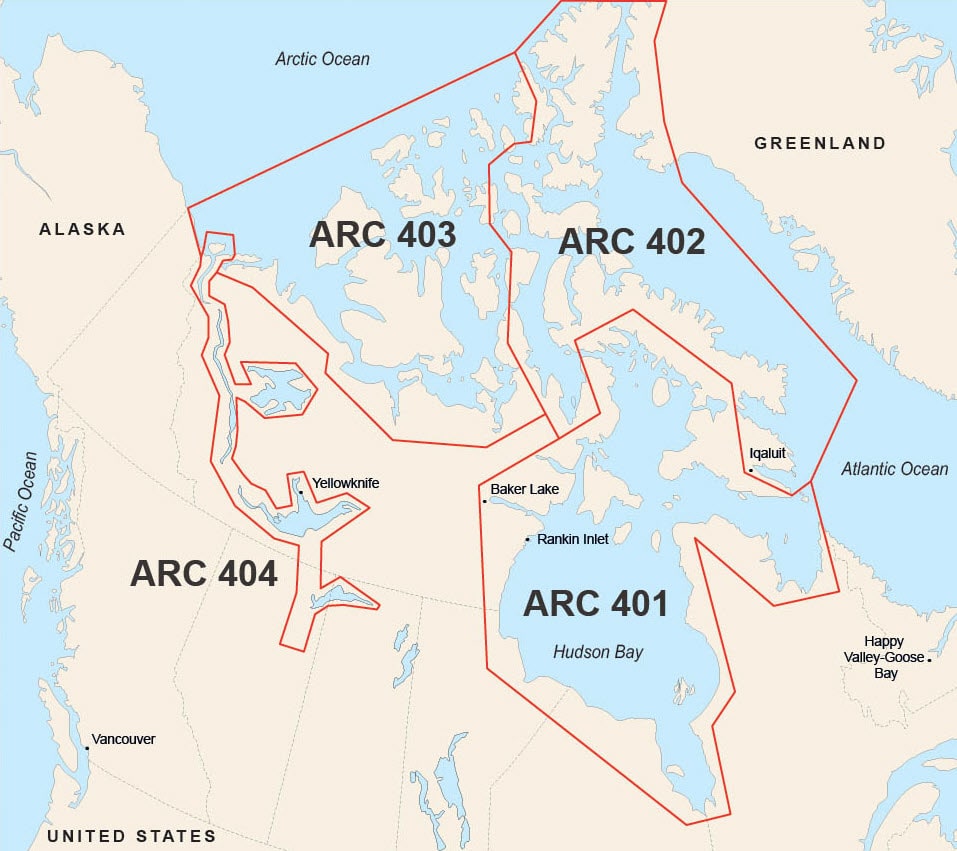
- Hudson Bay and Strait: Vessels entering from the Atlantic often proceed through Hudson Strait into Hudson Bay, then navigate toward Churchill or further north to the Foxe Basin.
- Mackenzie River Delta: Access to the Beaufort Sea is often made via the Mackenzie River, with Inuvik and Tuktoyaktuk serving as staging points for Arctic navigation.
Navigational Considerations
- Ice conditions can change quickly; always monitor ice charts and forecasts.
- Magnetic variation is significant and should be accounted for in navigation.
- Visibility can be reduced by fog or snow, especially in spring and fall.
- Some areas have strong tidal currents and shoals; consult local notices to mariners.
Port Facilities and Services
- Resupply and emergency services are limited. Plan for self-sufficiency.
- Major communities with port facilities include Iqaluit, Rankin Inlet, and Tuktoyaktuk.
Communication and Safety
- Carry reliable satellite communication equipment, as VHF coverage is sparse.
- File a sailing plan with the Canadian Coast Guard and check in at regular intervals.
- Be prepared for wildlife encounters, including polar bears, particularly near shorelines.
Environmental and Regulatory Notes
- Many waters are ecologically sensitive; observe all environmental regulations.
- Permits may be required for certain routes or activities. Confirm requirements in advance.
For detailed and route-specific instructions, consult the latest Canadian Hydrographic Service charts and official Sailing Directions publications before departure.