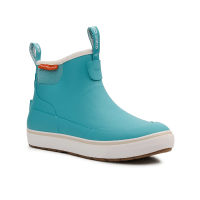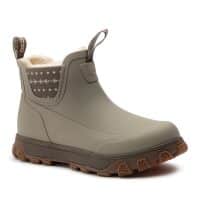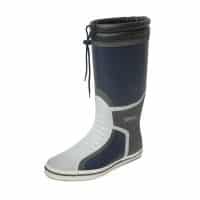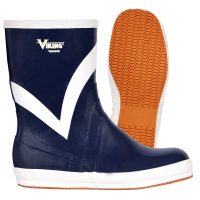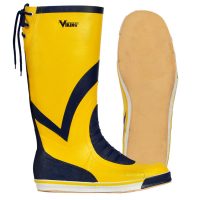


Fishing, Deck, and Sailing Boots
In British Columbia, marine footwear is vital for safety and comfort on slippery decks. Our deck boots, selected by local boaters, provide the grip and protection you need for Pacific Northwest waters. Whether fishing or cruising, the proper boots keep you steady and dry. Trust Poco Marine to keep you secure on deck.
(more...) Choosing the proper boating footwear is one of the most essential gear decisions. The correct boots deliver tangible benefits that enhance your safety, comfort, and performance whenever you leave the dock. Our footwear is tested and proven in the environments you frequent. Here’s where you’ll find our boots making a difference: Selecting the right boot for your primary water activity is essential. This guide explains the main boot types, helping you navigate your options and choose the one that best suits your needs. Ankle deck boots are practical for summer fishing in good weather. Choose full-length waterproof fishing boots to stay dry and warm for colder or rougher West Coast conditions. Waterproofing is important, but the essential feature for sailing shoes in the Gulf Islands is a non-marking, razor-siped sole. This provides vital grip on wet, heeling decks during challenging passages like Active Pass, ensuring safety and performance. To maximize the lifespan of your boating boots, rinse them with fresh water after every outing to remove corrosive salt residue. Store boots out of direct sunlight to prevent UV degradation. Select boots crafted from modern, salt-resistant rubber compounds for added durability. Insulated boots are a valuable asset even during the May to September season. Early morning trolling for salmon or halibut can be surprisingly cold before the day warms up. Insulated boots provide crucial comfort, helping to extend your time on the water and making them a practical choice even in summer. For full-length fishing boots you’ll likely use in colder weather, consider going up a half or full size to accommodate thicker thermal or wool socks. This ensures good circulation to keep your feet warm. For ankle deck boots, which are typically used in milder conditions, a true-to-size fit is usually best to provide agility and prevent your foot from slipping inside the boot.Key Benefits for BC Boaters
Typical Applications on the BC Coast
How To Choose Your Boating Footwear
Footwear Type
Primary Use Case
Key Feature for BC
Ideal for
Ankle Deck Boots
General Purpose, Sailing, Light Fishing
Non-Slip Grip & Agility
Day sailing in the Gulf Islands, summer cruising, casting on calm days.
Full-Length Fishing Boots
Serious Angling, Foul Weather
100% Waterproof Protection
Trolling for halibut off Ucluelet, fall salmon runs, and pressure washing.
Insulated Boots
Cold Weather & Winter Boating
Thermal Lining (e.g., Sherpa)
Winter prawning in Howe Sound, year-round cruising, and cold morning starts.
Expert Advice for BC Boaters:
FAQs
Are ankle deck boots sufficient for fishing on the West Coast of Vancouver Island?
What’s the most essential feature in sailing boots for navigating the Gulf Islands?
How do I make my boots last longer in a saltwater environment?
Are insulated boots hot in BC during summer?
How should my new fishing boots fit? Should I go up a size for thick socks?
Showing all 13 results
-

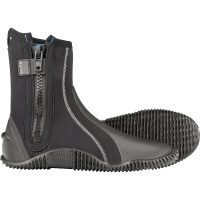
Bare 7mm S-Flex Boot
$57.34 USD Select options This product has multiple variants. The options may be chosen on the product page -
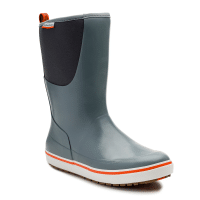
Grundens 12 Inch Deck Boot
$107.51 USD Select options This product has multiple variants. The options may be chosen on the product page -
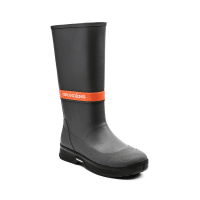
Grundens Crewman Tall Boot
$136.16 USD Select options This product has multiple variants. The options may be chosen on the product page -
Sale!
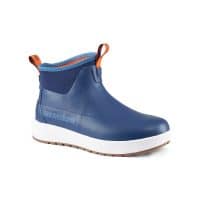
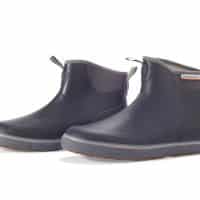
Grundens Deck Runner Ankle Boot
Original price was: $128.99 USD.$93.15 USDCurrent price is: $93.15 USD. Select options This product has multiple variants. The options may be chosen on the product page -
Grundens Deck-Boss Ankle Boot
$93.15 USD Select options This product has multiple variants. The options may be chosen on the product page -
Sale!
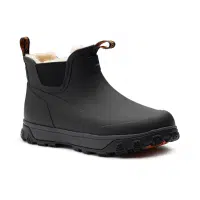
Grundens Deviation Sherpa Ankle Boot
Original price was: $100.32 USD.$93.15 USDCurrent price is: $93.15 USD. Select options This product has multiple variants. The options may be chosen on the product page -
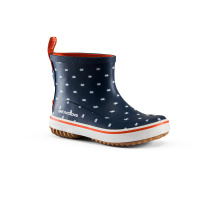
Grundens Kid’s Guppy Rain Boots
$43.00 USD Select options This product has multiple variants. The options may be chosen on the product page -
Sale!
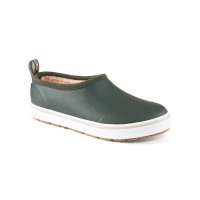
Grundens Women’s Deck Boss Shorty Sherpa
Price range: $71.64 USD through $85.98 USD Select options This product has multiple variants. The options may be chosen on the product page -
Grundens Women’s Deck-Boss Ankle Boots
$93.15 USD Select options This product has multiple variants. The options may be chosen on the product page -
Grundens Women’s Deviation Sherpa Ankle Boot
$95.19 USD Select options This product has multiple variants. The options may be chosen on the product page -
Gul Deck Boot Full length
$78.81 USD Select options This product has multiple variants. The options may be chosen on the product page -
Viking Mariner Kadett Yachting Boot VW24
$57.31 USD Select options This product has multiple variants. The options may be chosen on the product page -
Viking Mariner Yachting Boot VW26
$66.63 USD Select options This product has multiple variants. The options may be chosen on the product page