Boat Anchors
From steadying in the Fraser River current to seeking shelter in foggy coves, a reliable boat anchor is essential for BC waters. At Poco Marine, we offer the boat anchors that Canadian-based boaters need for Pacific Northwest conditions. Browse our full selection and trust our local expertise to keep you secure.
(more...) BC’s varied seabed, from soft mud to rocky, kelp-strewn bottoms, makes a single anchor a compromise. We recommend a two-anchor system for serious cruisers: a versatile primary anchor and a specialist secondary anchor for challenging bottoms. A Claw or a New-Generation Scoop anchor is your most reliable choice. Their designs grab onto uneven surfaces and penetrate kelp, whereas a Fluke anchor will likely foul or fail to dig in. Both help. A larger anchor increases holding, but proper technique is key. Use enough scope (5:1 for all-chain, 7:1 for rope/chain) and a stern-tie in deep coves. Anchor size depends on holding power and design. Modern scoop anchors hold better per pound than older models. Ignore ‘pounds-per-foot’ rules; better consult the manufacturer’s sizing chart for your boat. Multiply the water depth by seven for the rode length. In 20 feet, use 140 feet of rode. Use a 7:1 scope for overnight holding, 10:1 in higher winds. 4:1 or 5:1 works for calm daytime stops, but never leave your boat unattended on a short scope. Both work. All-chain reduces swing and abrasion. A rope/chain combination is lighter and adds shock absorption. Using 30-60 feet of chain works for most BC cruisers. Most local anglers use a heavy, 4-claw style river anchor with a “breakaway” system to grip the gravel bottom and retrieve easily if snagged. Always choose a heavier anchor than you need for the Fraser’s strong currents to avoid dragging.Why the Right Anchor is Critical for BC Boating
Common Uses on the BC Coast
Choosing Your Anchor System for BC Waters
Comparing the Workhorses: New-Gen vs. Fluke vs. Claw
Practical Advice for the Wet Coast
Frequently Asked Questions
What’s the best anchor for the rocky, kelp-covered bottoms?
My anchor drags in the deep, muddy coves of Desolation Sound. Do I need a bigger anchor or a different technique?
How heavy of an anchor do you need for a boat?
What is the 7:1 anchor rule?
Do I need an all-chain rode, or is a rope/chain combination okay for BC’s coastal waters?
What size and type of anchor do I need to anchor in the Fraser River for salmon fishing?
How do I pick the right anchor for my boat in BC?
Showing all 13 results
-

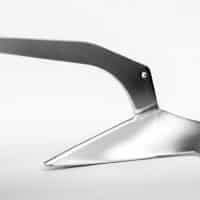
Kingston Anchors – Quick Set – 50lb
Price range: $857.97 USD through $1,217.00 USD Select options This product has multiple variants. The options may be chosen on the product page -
Kingston Anchors – Quick Set -22lb
Price range: $464.82 USD through $702.59 USD Select options This product has multiple variants. The options may be chosen on the product page -
Kingston Anchors – Quick Set -35lb
Price range: $536.70 USD through $794.31 USD Select options This product has multiple variants. The options may be chosen on the product page -
Kingston Anchors – Quick Set Stainless Steel – 14lb
Price range: $328.13 USD through $523.89 USD Select options This product has multiple variants. The options may be chosen on the product page -
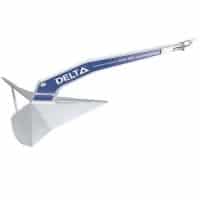
Lewmar Delta Galvanised Anchor 10 Kg / 22 Lb
$270.57 USD Add to cart -
Lewmar Delta Galvanised Anchor 16 Kg / 35 Lb
$387.52 USD Add to cart -
Lewmar Delta Galvanised Anchor 20 Kg / 44 lb
$499.52 USD Add to cart -
Lewmar Delta Galvanised Anchor 4 kg / 9 lb
$121.97 USD Add to cart -
Lewmar Delta Galvanised Anchor 6 kg / 14 lb
$193.74 USD Add to cart -
Mantus M1 Performance Anchor
Price range: $223.47 USD through $8,625.10 USD Select options This product has multiple variants. The options may be chosen on the product page -
Mantus M2 Performance Anchor
Price range: $192.44 USD through $8,395.04 USD Select options This product has multiple variants. The options may be chosen on the product page -
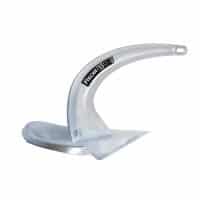
Rocna Vulcan Anchor (4 kg – 55 kg)
Price range: $208.13 USD through $6,681.78 USD Select options This product has multiple variants. The options may be chosen on the product page -
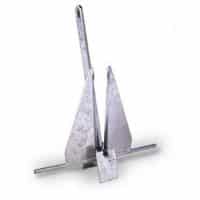
Tiedown Engineering Super Hooker Boat Anchors
Price range: $30.38 USD through $251.16 USD Select options This product has multiple variants. The options may be chosen on the product page